 Montevideo City Guide
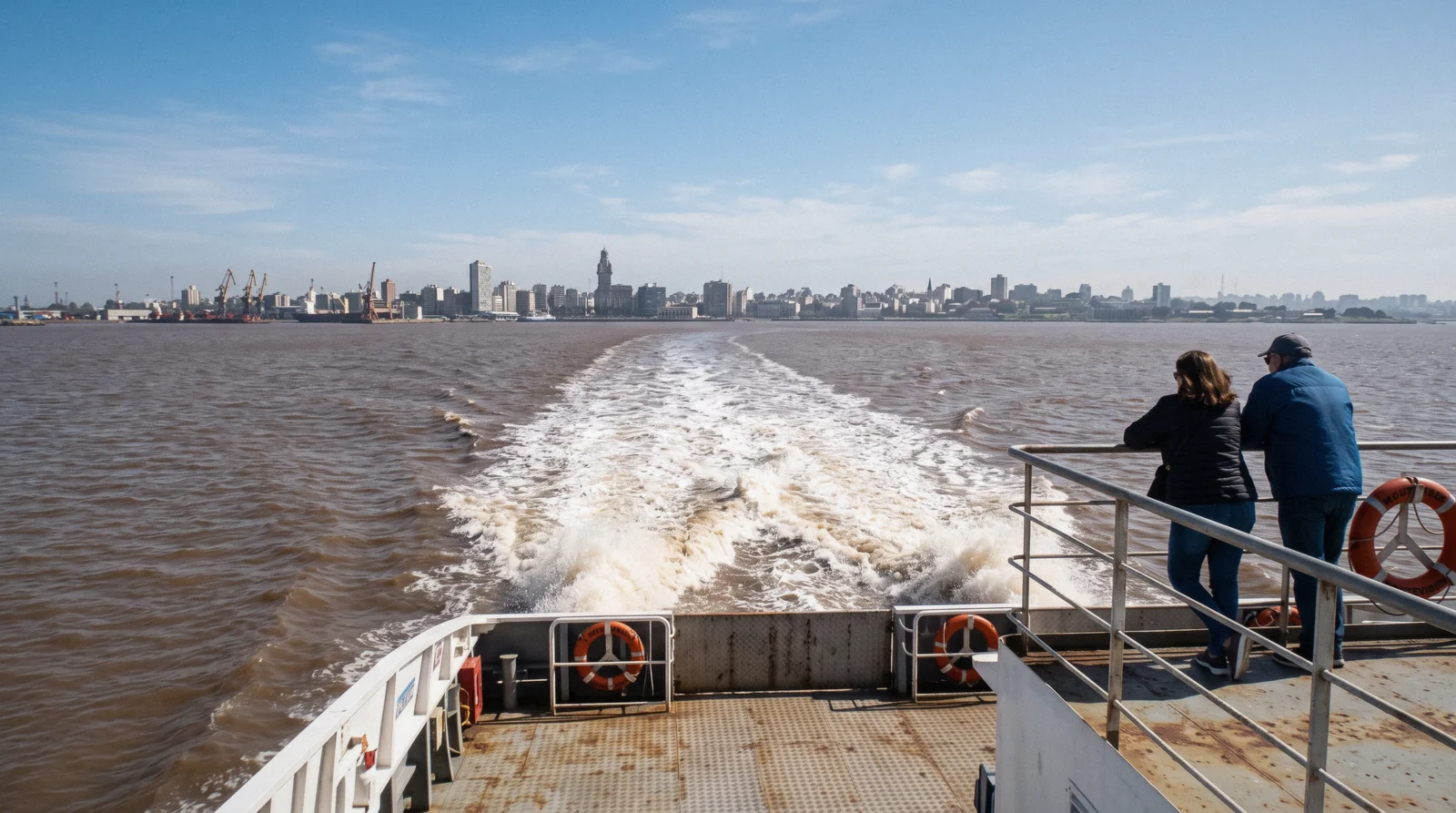
Buenos Aires to Montevideo: Direct Ferry, Colonia Combo or Day Trip
Getting from Buenos Aires to Montevideo is a river crossing of the Río de la Plata. Two routes exist. Buquebus sails directly to Montevideo in a little over two hours. The other route is a boat to Colonia with a bus connection to Montevideo. This page compares both, explains check-in and luggage rules, lists the documents you need, tests whether a day trip works, and points you to things to do in Montevideo once you land.
Quick answer Fastest route, the cheaper combo, day trip or not
The direct Buquebus ferry takes a little over two hours and docks in the port beside Ciudad Vieja, the old city. The alternative is a boat to Colonia del Sacramento with a bus of about two hours to Montevideo, sold by Buquebus and Colonia Express. A day trip from Buenos Aires is possible, but the crossing times leave room for the old town only. Staying one night opens the whole city.
Key takeaways
- The direct ferry is the fastest route. Check-in opens 2 hours before sailing and closes 25 minutes before, so arrive at the Terminal Fluvial in Puerto Madero early. You land next to Ciudad Vieja.
- The Colonia combo puts you in Colonia del Sacramento for a few hours before the bus to Montevideo. On the return leg, the Colonia day tour that can end at the ferry port turns the trip back into sightseeing.
- Short on time? Walk out of the terminal and take the Ciudad Vieja walking tour, a 2.5-hour loop with entry to three sights included. The old city is all a same-day trip can hold.
- Staying over? Hotels charge non-residents 0% VAT with a foreign passport, and the city adds a tourist tax of USD 1 per night. Compare Montevideo hotels and read Uruguay currency before you go.
Buenos Aires to Montevideo: The Routes Side by Side
The two river routes compared on the points that decide the choice, from the Montevideo tourism office's arrival page and the ferry operator's boarding rules. No fixed fare is published for either, so prices show only per date on the operator's site.
| Route | Time on the way | Where you arrive | Best for |
|---|---|---|---|
| Direct ferry (Buquebus) | A little over two hours | The port, at the edge of Ciudad Vieja | Speed, a day trip, taking a car |
| Boat to Colonia plus bus (Buquebus, Colonia Express) | Boat, then about two hours by bus | Montevideo by road | Breaking the trip in Colonia |
| Colonia day tour from Montevideo (return leg) | 10 hours with the tour | Colonia port for the ferry home | Seeing Colonia on the way back |
The Direct Ferry: Buenos Aires to Montevideo by Buquebus
The direct sailing is the fastest way between the two capitals and the one most day trippers choose.
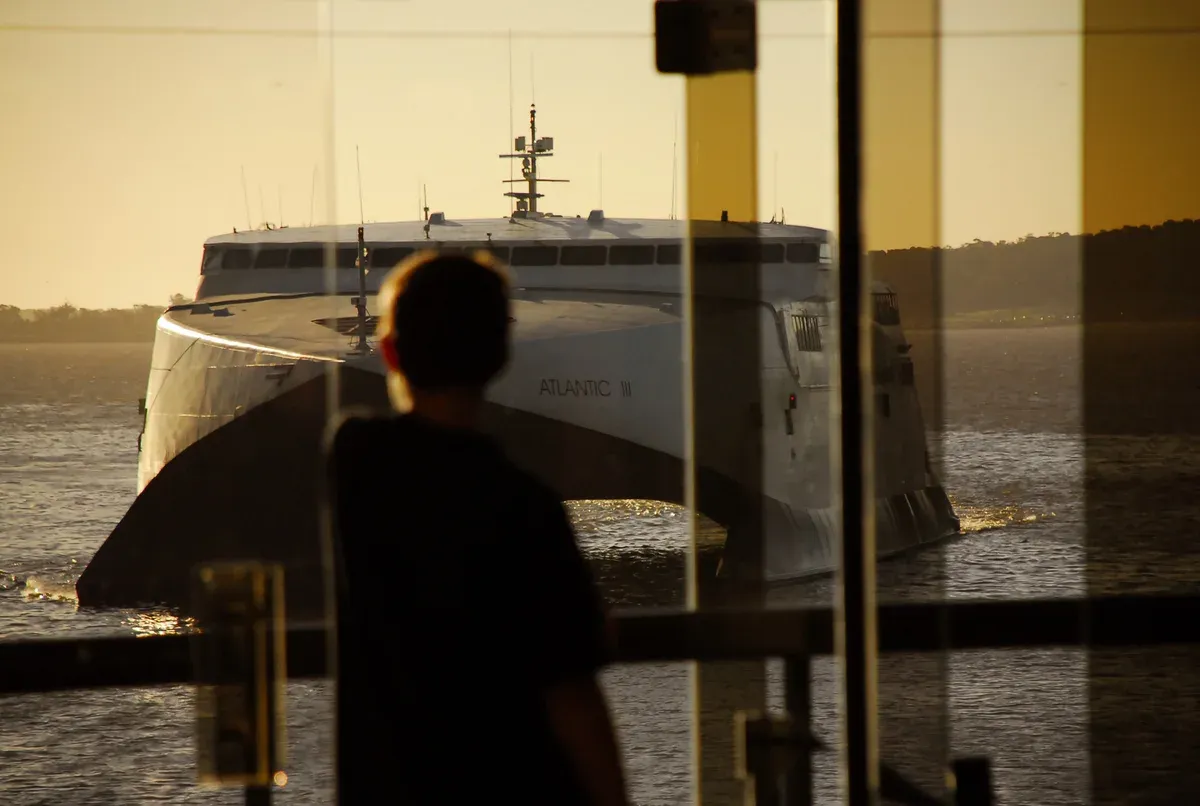
The fast ferry Atlantic III arriving in Montevideo harbour from Buenos Aires. Photo: Embajada de los Estados Unidos en Uruguay, Public domain, via Wikimedia Commons
Crossing Time and Where You Land
The direct Buquebus ferry sails daily between Buenos Aires and Montevideo and takes a little over two hours. The vessels carry cars, so you can drive on if you are touring Argentina and Uruguay by road. The Buenos Aires terminal is the Terminal Fluvial in Puerto Madero, where the operator also runs a car park.
On the Uruguayan side you dock inside the port of Montevideo, at the edge of Ciudad Vieja and the Mercado del Puerto. That is the practical advantage of the direct route. You step off the boat and you are already in the old city, without a bus transfer at either end.
Check-In, Luggage and Terminal Hours
Check-in at the port opens 2 hours before the vessel departs and closes 25 minutes before departure. Web check-in is available from 24 hours before the trip and saves time at the counter. Arrive with margin.
The Buenos Aires terminal is open daily 05:30-20:30, the Montevideo terminal daily 09:00-19:30, and the Colonia terminal daily 08:15-18:45. Every fare includes checked baggage at the counter at no extra cost, up to 20 kg per passenger, and hand luggage travels with you on board. If you need assistance, request it at booking or at least 48 hours before departure.
Port authorities can restrict or cancel sailings in extreme weather, so keep a buffer in tight connections. On board, Wi-Fi is free in Primera Clase on the Buque Francisco, and other passengers request a PIN at the gastronomy bars.
What a Ticket Costs
No fixed fare is published for the Buenos Aires to Montevideo crossing. Prices appear per date and per sailing in the operator's booking engine, so the fare shows only when you pick a date. The same search shows the extra charge for a car if you take one.
The good news for luggage: the 20 kg checked bag is included in every fare, so a weekender pays nothing extra at the counter. Compare a few dates on the operator's site before you commit.
Source: Buquebus boarding, Buquebus luggage, Descubrí Montevideo.
Via Colonia: Boat Plus Bus
The second route crosses the river to Colonia del Sacramento and finishes the trip by road.
How the Combo Works
Buquebus and Colonia Express both sell a boat ticket to Colonia that includes the bus from Colonia to Montevideo. The bus leg takes about two hours, and Buquebus lists bus connections to Tres Cruces, the country's main bus terminal. The Colonia port terminal is open daily 08:15-18:45.
The combo works in two ways. If your aim is Montevideo only, buy the through ticket and treat the bus as transport. If you have a full day or more, stop in Colonia for a few hours between the boat and the bus and walk the old quarter on the way, which turns a transfer into part of the trip.
Check Colonia del Sacramento for what the town offers.
Turning the Return Into a Day in Colonia
Travelling back to Buenos Aires via Colonia does not have to be dead time. From Montevideo, the small-group Colonia day tour costs $60 per person and lasts 10 hours, with pickup from Montevideo hotels from 8:00. The card's key feature for this route: the tour can finish at the port for the ferry to Buenos Aires, so you ride out in the morning and sail home in the evening. The guided Colonia coach day is the other option at $60 per person and 9 hours, with a Historic Quarter walking tour, museum admission and a jam and cheese tasting stop on the return.
Both leave the ferry fare separate. See more day trips from Montevideo if you are based in the city first.
Source: Descubrí Montevideo, Buquebus.
Tours That Start Where the Ferry Lands
Three cards fit a ferry trip. The Ciudad Vieja walking tour at $20 suits a day trip, the hop-on hop-off pass at $25 covers the wider city, and the small-group Colonia tour at $60 can end at the ferry port for the return to Buenos Aires. More on Montevideo tours. Figures current {checked}.
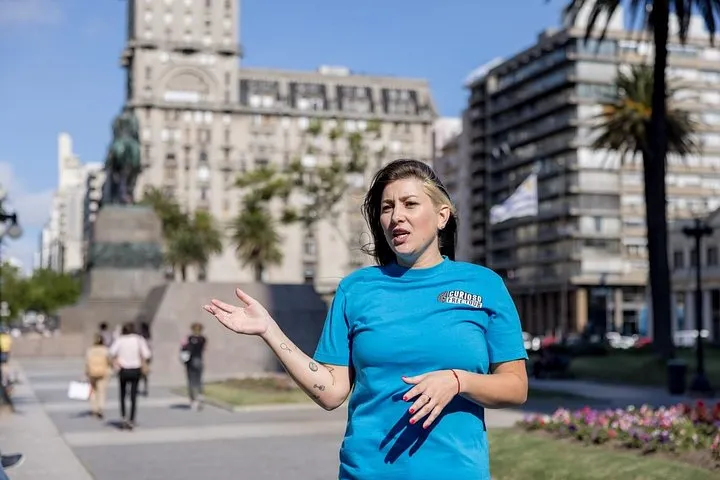 from $20
Historical and Cultural Tour of Montevideo Discover Old Town
A 2.5 hour guided walking tour of Montevideo's Old City with entry to three sights included for $20.
Check Availability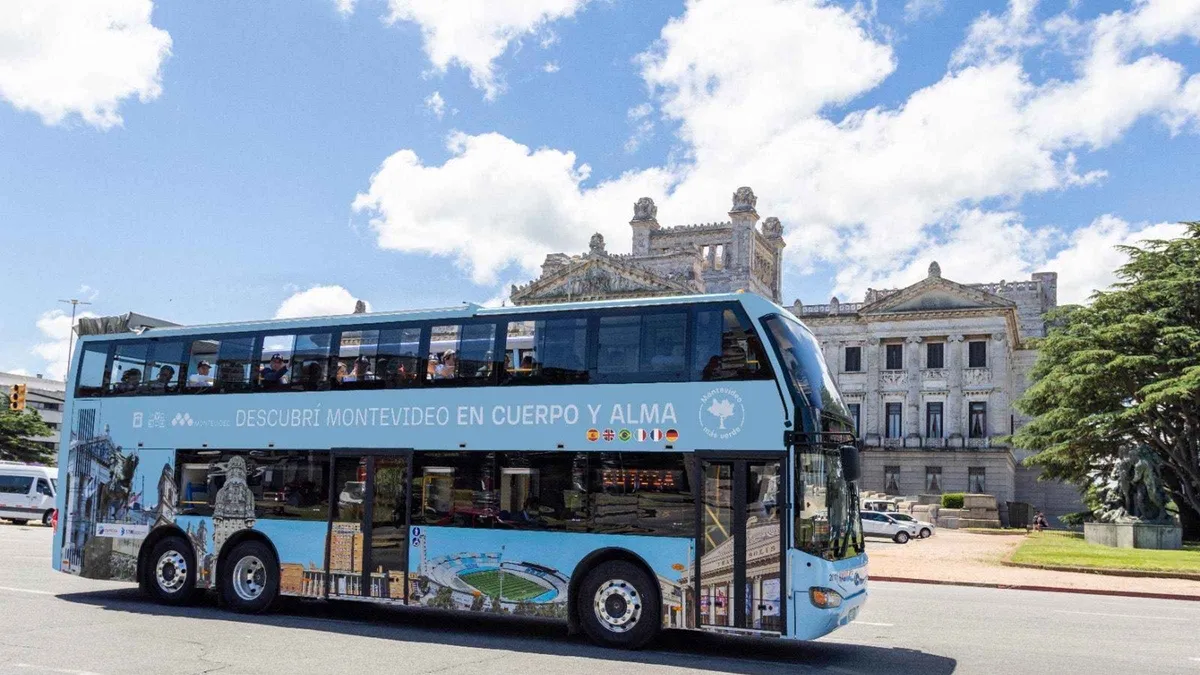 from $25
Montevideo: Sightseeing Hop-On Hop-Off Bus Tour
The cheapest city overview in Montevideo, a two-circuit 24-hour hop-on hop-off pass with audio guide for $25.
Check Availability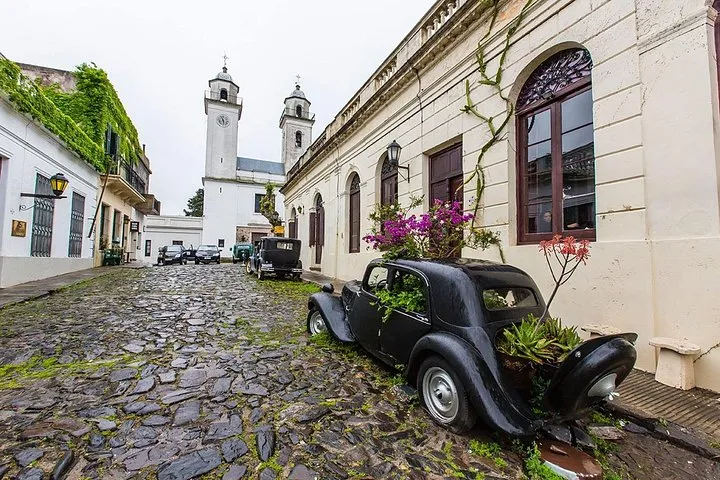 from $60
Colonia del Sacramento - Regular Tour
A small-group shared day trip to Colonia del Sacramento with lots of free time and the option to finish at the ferry port.
Check Availability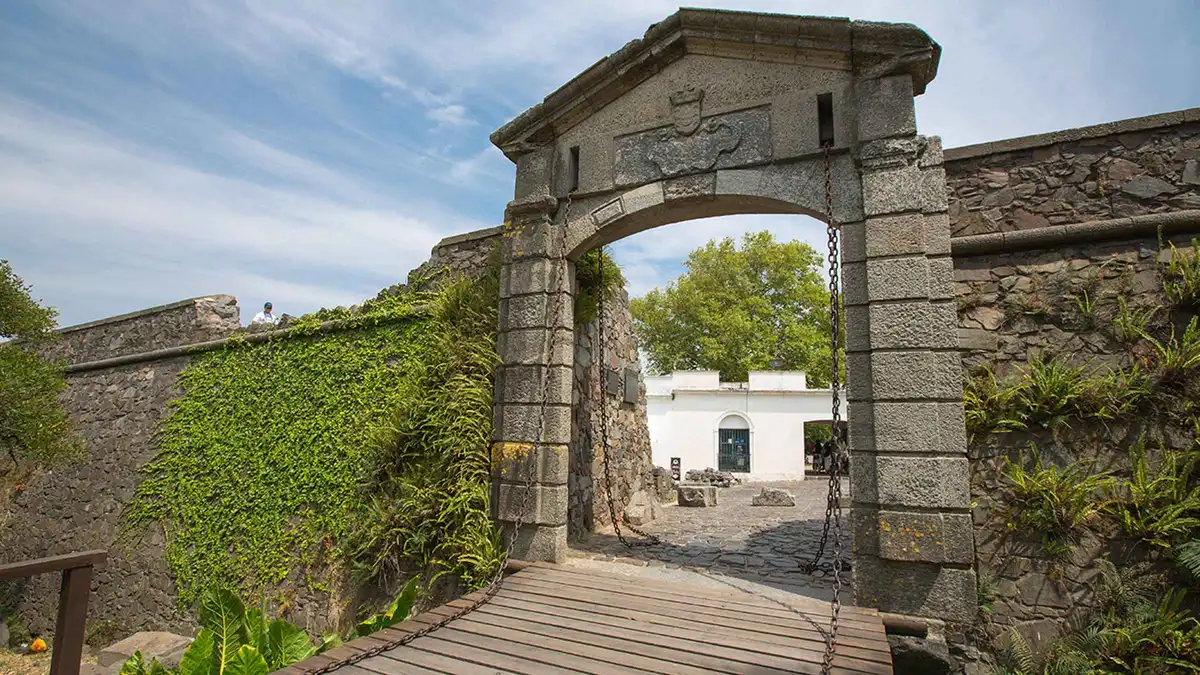 from $60
From Montevideo: Colonia Sacramento Full-Day Tour with Guide
A guided full-day coach trip from Montevideo to Colonia del Sacramento with hotel pickup, a Historic Quarter walking tour and a museum tasting stop for $60.
Check Availability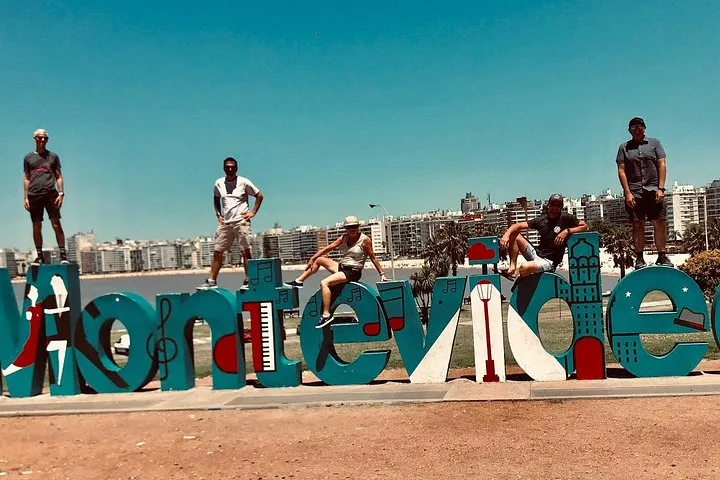 from $129
Private Walking Tour in Montevideo
A private certified-guide walking tour of the old city that starts within walking distance of the cruise port, with an optional candombe drum class.
Check Availability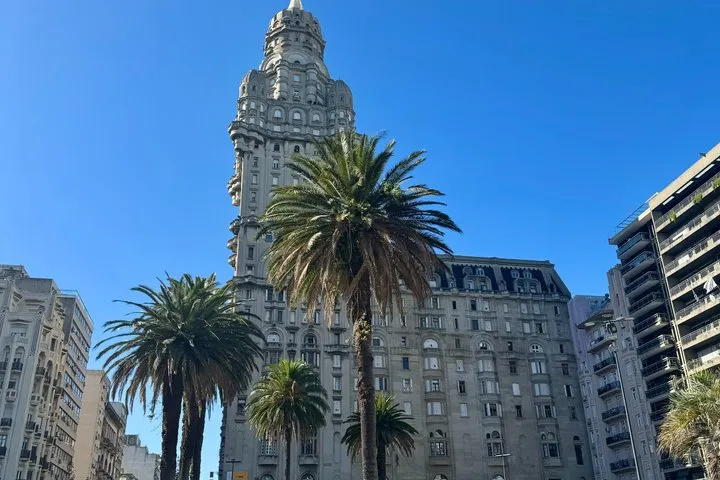 from $25
Half-day Regular City Tour at Montevideo
A short, affordable group city tour of Montevideo with pickup included and cruise passengers welcome, plus a private upgrade option.
Check AvailabilityPrices, ratings and details are the platform's own. Dollar figures are the listed prices. The platform bills in your account's currency.
Documents and Border Control
The ferry is an international crossing, so bring the papers before you buy the ticket.
Passports and ID Cards
Foreign visitors enter Uruguay with a valid passport and need no special immigration procedure, according to the Montevideo tourism authority. Citizens of neighbouring countries may use their national ID card instead. The operator's own rules are specific: Argentine nationals aged 18 or over board with a valid DNI or a passport in good condition.
Uruguayan nationals aged 18 or over board with a valid Cédula de identidad or passport. Travellers from neighbouring countries using an ID card must also show a valid entry to the country and valid Mercosur documentation. For most American and European visitors this is simple.
Bring a passport, keep it handy for both the Argentine and Uruguayan controls, and check its expiry before booking.
Travelling With Children
Minors travelling alone, with only one parent or with a third adult always need permission to leave the country, and the rule applies in both Argentina and Uruguay. Get the written permission sorted before the sailing, because the check-in counter will ask. Unaccompanied minors from age 8 can be booked through all sales channels except online, and children under 8 must travel with an adult.
If you need to sort documents in person, the Uruguay Migraciones office in Montevideo is at Misiones 1513 in Ciudad Vieja, open Monday to Friday 9:00-15:00. The Argentine Migraciones office listed by the operator is at Av. Antártida Argentina 1355 in Buenos Aires, Monday to Friday 8:30-13:30.
Source: Buquebus documents, Buquebus FAQ, Descubrí Montevideo.
Montevideo Day Trip From Buenos Aires: Does It Work
Yes, but only for the old city. Here is the arithmetic.
The Arithmetic of One Day
Count it out. Each direct crossing takes a little over two hours. Check-in closes 25 minutes before each sailing, and opens 2 hours before, so you spend close to half an hour or more at each terminal.
Our sum: two crossings and two check-ins take roughly five hours before you have seen anything. The Montevideo terminal also opens at 09:00. What is left is a window of a few hours, enough for Ciudad Vieja, the Mercado del Puerto and Plaza Independencia, all of which sit beside the terminal.
It is not enough for the Rambla, the beaches of Pocitos or anything east of the centre. That is our estimate, not a timetable. The verdict: a day trip works if you accept that the old town is the whole visit.
A Day Plan From the Ferry Terminal
Walk out of the port and you are in Ciudad Vieja. Start at the city tourist office at Piedras 257, corner of Yacaré, open daily 9:00-17:00, for a map and advice. Book the Ciudad Vieja walking tour in advance.
It runs 2.5 hours, costs $20 per person, departs Monday to Saturday at 10:30 and 14:30 and Sundays at 10:30 from Independence Square, and includes admission to the Artigas Mausoleum, the Cabildo and the Mercado del Puerto. Tight on time or wanting the wider city? The hop-on hop-off bus costs $25 for a 24-hour pass and starts on Rambla 25 de Agosto, steps from the terminal. One caution from UK travel advice: avoid walking the port area alone, especially after dark.
More options in Montevideo tours.
Why Stay at Least One Night
One night changes the shape of the trip. You lose the return check-in clock and gain the evening in the old city, a morning run along the Rambla, the beach neighbourhood of Pocitos and, on Sundays, the Tristan Narvaja flea market. The money is on your side too.
Hotels and accommodation charge non-residents 0% VAT all year when you show a foreign-issued ID, and the invoice is issued without VAT, so there is nothing to reclaim. The city adds a tourist tax of USD 1 per night per person over 11, capped at USD 5 per person per stay. Browse Montevideo hotels and read our verdict on is Montevideo worth visiting.
Source: Buquebus boarding, Descubrí Montevideo tourist offices, GOV.UK, Uruguay Natural.
After You Land in Montevideo
A few things worth knowing before your first hour off the boat.
Money and Getting Around
Uruguay uses the Uruguayan peso. Paying electronically by card takes 9 percentage points off VAT at restaurants, bars, cafés, winery tastings, event services and car rental under Decreto 235/026, in force until 30 April 2027. Pay by card at meals and the discount applies automatically on the bill.
City buses are cheap: a 1-hour ticket costs $1.29 (UYU 52) with an STM card or $1.59 (UYU 64) in cash. For onward travel, Tres Cruces is the country's main bus terminal with services across Uruguay and to Argentina, Brazil, Paraguay and Chile. If you fly home instead, Carrasco International Airport sits east of the city.
Plan your days with Montevideo attractions and read Uruguay currency for the details.
Source: Decreto 235/026, Intendencia de Montevideo bus fares, Descubrí Montevideo.
Ferry Points on the Map
Where the ferry routes touch Montevideo and where a day tripper walks first.
Plan the Next Step
Colonia del Sacramento
The old river port where the boat-and-bus route stops, with its own day tours from Montevideo.
Ciudad Vieja
The old town at the ferry terminal's door, the whole of a same-day visit.
Montevideo vs Buenos Aires
How the two capitals compare once you have crossed the river.
Buenos Aires to Montevideo Questions
How long is the ferry from Buenos Aires to Montevideo?
The direct Buquebus crossing takes a little over two hours, according to the Montevideo tourism authority, and sailings run daily. Add the check-in window on top of that. Check-in opens 2 hours before departure and closes 25 minutes before, so our sum for a same-day return is about five hours of crossings and check-in.
What is the best way to get from Buenos Aires to Montevideo?
For most visitors, the direct ferry. It is the fastest route, it carries cars, and it docks inside the port of Montevideo beside Ciudad Vieja, so you walk into the old city on arrival. The alternative, a boat to Colonia del Sacramento with a bus of about two hours to Montevideo, suits travellers who want to break the journey in Colonia.
Is it worth going to Montevideo?
Yes, if you know what you are coming for. Montevideo trades big sights for a walkable old city, a waterfront Rambla, the Mercado del Puerto and a slower rhythm than Buenos Aires. A day trip covers the old town well. A night or two opens the beaches, the markets and the city's music. Our full verdict is on is Montevideo worth visiting.
Can I take a day trip from Buenos Aires to Montevideo?
Yes, with limits. Two direct crossings of a little over two hours each, plus check-in that closes 25 minutes before each sailing, leave a few hours on the ground. That window covers Ciudad Vieja, the Mercado del Puerto and Plaza Independencia, which all sit beside the terminal. It does not cover the Rambla or the beaches. A same-day return is best treated as an old-city visit.
How much is the ferry?
No fixed fare is published for the route. Prices appear per date and per sailing in the operator's booking engine, so the cost shows only when you search a specific day. Every fare includes checked baggage up to 20 kg at no extra cost. Cars pay a separate supplement. Compare a few dates before booking, since fares move with the calendar.
What documents do I need as a foot passenger?
Foreign visitors enter Uruguay with a valid passport and no special immigration procedure. Citizens of neighbouring countries can use their national ID card with valid Mercosur documentation. Argentine nationals aged 18 or over board with a DNI or passport, and Uruguayan nationals with a cédula or passport. Minors travelling alone, with one parent or with a third adult need exit permission in both countries.
Can I take my car on the ferry to Montevideo?
Yes. The direct Buquebus service between Buenos Aires and Montevideo carries cars, so you can drive aboard and continue by road in Uruguay. The vehicle pays a supplement beyond the passenger fare, and the amount appears per date in the booking engine. The Terminal Fluvial in Puerto Madero also offers operator parking if you leave the car in Buenos Aires.
Buenos Aires to Montevideo on Film
Visit Montevideo from Buenos Aires (By Ferry!)
A same-day ferry trip from Buenos Aires into Montevideo's old town.
Video: Tina NguyenHow to get from Buenos Aires to Uruguay? Travel by Buquebus to Montevideo
Check-in at the Buenos Aires terminal and the direct crossing on board.
Video: Pasaporte al díaTaking the Ferry + Bus from Buenos Aires to Montevideo, Uruguay via Colonia
The boat-to-Colonia and bus combination, filmed end to end.
Video: Chris And EmiliePrices, hours and terms are set by the venue or operator and confirmed at checkout.
We may earn a commission if you book through one of our links, at no extra cost to you. Full affiliate disclosure