 Montevideo City Guide
Montevideo vs Buenos Aires: Which River Plate Capital Fits Your Trip?
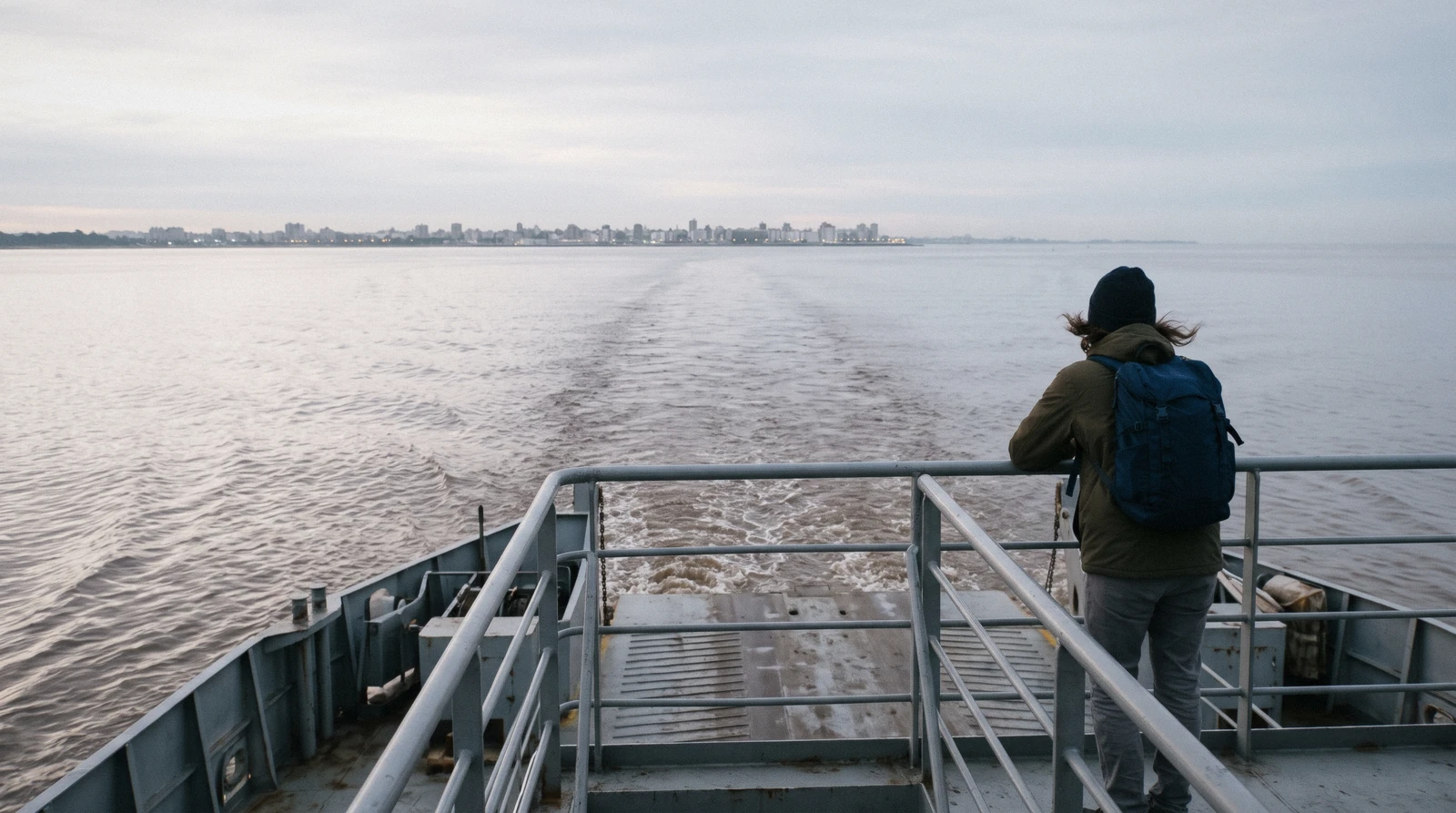
Montevideo vs Buenos Aires pits a city of 1,287,452 against one of 3,121,707, the choice many Rio de la Plata travellers face, and this page gives you a side-by-side table of the numbers, a clear verdict on who should pick which city, plus comparisons of food, weather, safety, cost and ways to combine both. The two capitals sit on opposite shores of the same wide estuary, and the direct ferry crosses in a little over two hours. Buenos Aires is the giant, with more of everything at a bigger scale. Montevideo answers with a beach-lined Rambla, a walkable old port quarter and Sunday drum calls you will not hear anywhere else. Many visitors do both, adding one or two days in Montevideo to a Buenos Aires trip.
Quick answer The short answer
Buenos Aires city holds 3,121,707 people against Montevideo's 1,287,452, so Argentina's capital is more than twice the size and packs far more into a visit.
Key takeaways
- The ferry from Buenos Aires takes a little over two hours direct, so the cities pair easily.
- Browse things to do in Montevideo to see how much a one or two day add-on gives you.
- Candombe is Uruguay's own UNESCO heritage, with drum calls every Sunday in three southern barrios.
- the half-day city tour covers the highlights in 3.5 hours for $25, ideal on a short stop.
Montevideo and Buenos Aires Side by Side
The numbers below come from national censuses, the INUMET climate normals for Montevideo and the Argentine weather service normals for Buenos Aires. They frame the real difference between the two cities: scale on one shore, water and drums on the other.
The Numbers That Set the Pace
Montevideo counted 1,287,452 residents in the city at the 2023 census, with 1,947,604 in the metro area. Buenos Aires city held 3,121,707 at the 2022 census on just 205.9 square kilometres, and its urban agglomeration reached 13,971,006. That ratio explains most of what a visitor feels.
Buenos Aires offers volume: more museums, more dining rooms, more theatre nights. The climate figures are the 1991-2020 normals, so they are long-term averages rather than forecasts.
| Measure | Montevideo | Buenos Aires |
|---|---|---|
| City population | 1,287,452 (2023 census) | 3,121,707 (2022 census) |
| Founded | 24 December 1726 | 1536 by Pedro de Mendoza, refounded 1580 by Juan de Garay |
| January average high | 27.8 C (82 F) | 30.1 C (86 F) |
| July average high | 14.7 C (58 F) | 15.5 C (60 F) |
| Rain a year | 1,142.7 mm | 1,257.6 mm |
| UNESCO living heritage | Candombe (its own) and shared tango | Shared tango |
| 2030 World Cup | Centenary match at Estadio Centenario | One match at Estadio Monumental |
Source: INUMET, Wikipedia: Buenos Aires, Wikipedia: Montevideo.
Which City Suits You
Neither city is better in the abstract. The right pick depends on how much time you have and what you want out of the days.
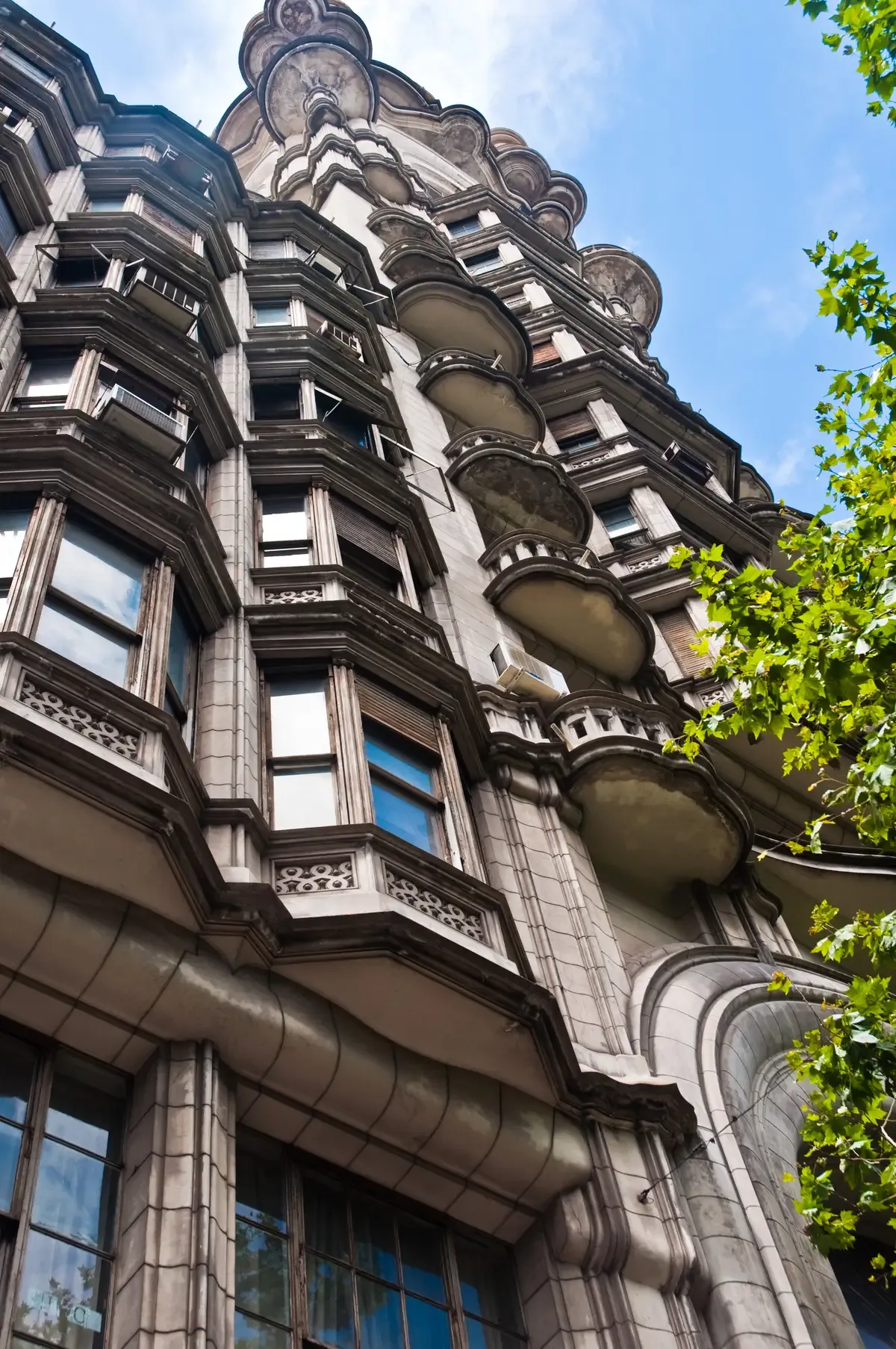
Palacio Barolo on Avenida de Mayo, Buenos Aires, by the same architect as Montevideo's Palacio Salvo. Photo: Phillip Capper from Wellington, New Zealand, CC BY 2.0, via Wikimedia Commons
Pick Buenos Aires If
You want volume. Buenos Aires carries almost fourteen million people in its urban agglomeration, and the sight list scales accordingly. The city was conceived around Plaza de Mayo, the colonial administrative centre, and its historic core runs through Montserrat and San Telmo.
The Teatro Colón became one of the world's top opera venues in the city's golden age, when Buenos Aires ranked itself alongside the European capitals. The capital proper covers 205.9 square kilometres, and the urban area beyond it is many times larger. If this is your one long stop in South America and you want a big city's range of sights, Buenos Aires is the pick.
Plan it by neighbourhood, since that is how its historic core is laid out.
Pick Montevideo If
You want water close by and room to breathe. The Rambla runs along the estuary, and the city beaches at Pocitos and Ramirez sit right on it. The old town packs Plaza Independencia, Teatro Solis and the port market into a walkable peninsula.
On Sundays the candombe drums call through Sur, Palermo and Cordon, a sound Buenos Aires cannot give you. A half-day city tour covers the main sights in 3.5 hours, and museums, markets and mate culture fill the rest. If a beach afternoon and a smaller city appeal more than sightseeing volume, Montevideo is your pick.
Do Both
Most travellers do not actually choose. The direct ferry from Buenos Aires takes a little over two hours according to the city tourism office, and cars can travel on it. The other route goes via Colonia Express to Colonia del Sacramento and continues by bus for about two hours.
A workable plan gives Buenos Aires four or five days and Montevideo one or two, arriving by ferry and flying home from Carrasco if your ticket allows. Book a hotel in Montevideo near the Rambla or the old town and you can walk to most of it.
Source: Wikipedia: Buenos Aires, Descubri Montevideo: by boat.
What the Two Cities Share
The rivalry has a friendly side. The two capitals argue over the same dance, hired the same architect and grill meat the same way.
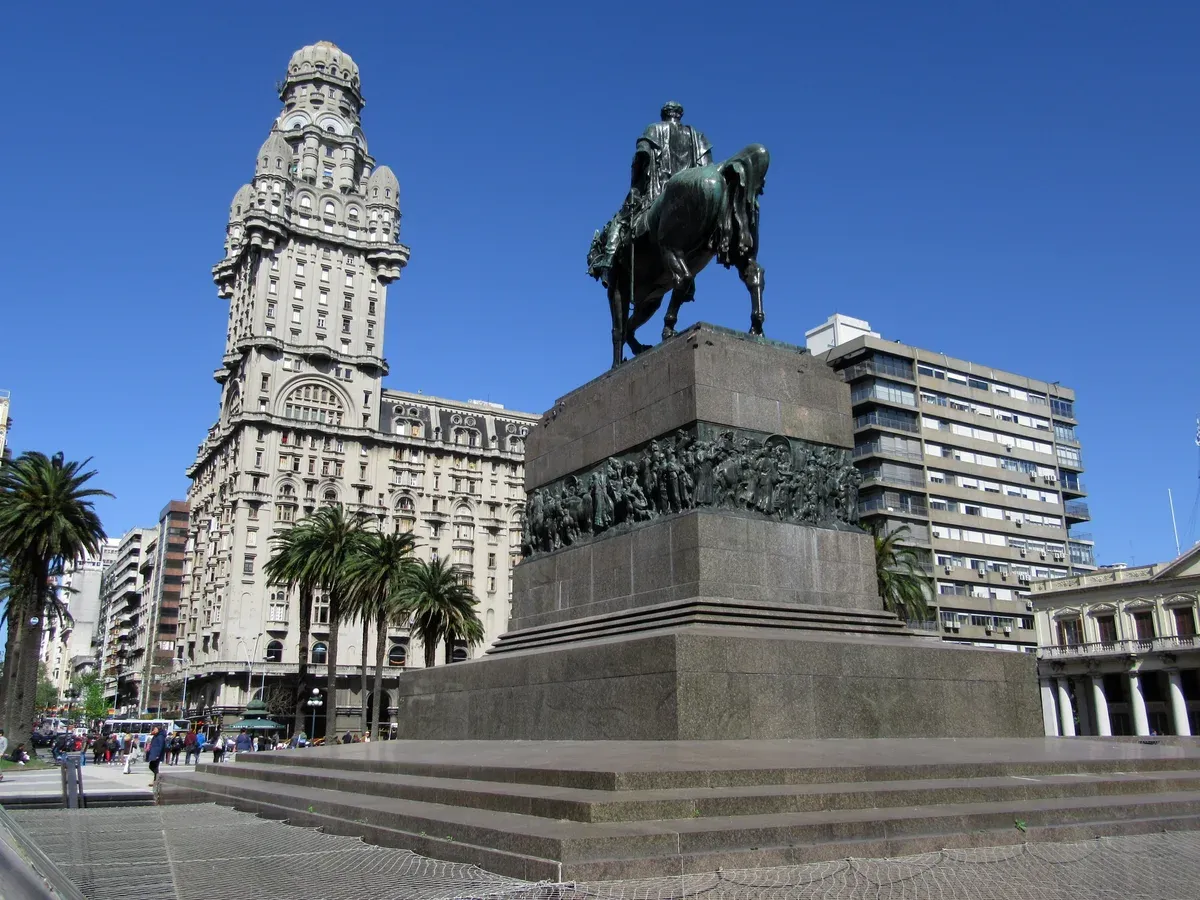
Palacio Salvo rises behind the Artigas monument on Plaza Independencia. Photo: Felipe Restrepo Acosta, CC BY-SA 4.0, via Wikimedia Commons
One Architect, Two Towers
Mario Palanti, an Italian immigrant living in Buenos Aires, designed Palacio Salvo, finished in 1928 on Plaza Independencia in Montevideo, and used a similar design for Palacio Barolo on Avenida de Mayo in Buenos Aires. The Salvo building reaches 105 metres over 27 storeys and was briefly the tallest in Latin America. Standing before one, you are looking at the other city's twin, which is as tidy a symbol of the two capitals' relationship as you will find.
In Montevideo the tower stands on the square where the old town meets the centre, a short walk from Teatro Solis.
One Tango, Two Shores
Tango belongs to both. UNESCO inscribed it in 2009 on the Representative List of the Intangible Cultural Heritage of Humanity as a joint element of Argentina and Uruguay, so neither shore can claim it alone. In Montevideo you can hear the overlap in a single evening: the candombe, tango and folklore dinner show puts both traditions on one stage with a three-course dinner over about three hours.
If the dance drew you across the river, treat the two cities as two chapters of the same story rather than competing options.
The Grill
Both capitals are grill cities, and neither needs a guidebook to prove it. In Montevideo the classic address is Mercado del Puerto, the old port market beside Ciudad Vieja, where opening hours are those of each restaurant inside rather than one posted schedule, so check the stall you want. The chivito, a stacked steak sandwich, is the dish Uruguayans claim as their own.
To taste the street side of it, the street food tour runs three hours with five tastings including empanadas and mate. Read more on Uruguayan food.
Source: Wikipedia: Palacio Salvo, UNESCO: Tango.
Where They Differ
Beyond scale, the differences that matter to a visitor come down to rhythm, weather, safety rules and money.
Candombe Is Montevideo's Own
UNESCO inscribed candombe, a drum-based community practice rooted in the African diaspora of Montevideo, on its intangible heritage list in 2009, and it belongs to Uruguay alone. Every Sunday and on many holidays the drum calls, called llamadas, fill the southern barrios of Sur, Palermo and Cordon. You hear them from the street, free of charge.
It is a separate UNESCO element from the tango the two countries share. During carnival, which runs from the end of January to mid-March and is billed as the longest carnival in the world, the drums take over with parades and neighbourhood stages called tablados. Time a visit for a Sunday and you collect a sound Buenos Aires cannot offer.
Weather
The climates are close cousins. In the 1991-2020 normals, Montevideo's January average high reaches 27.8 C (82 F) against Buenos Aires' 30.1 C (86 F), and July highs sit at 14.7 C (58 F) and 15.5 C (60 F). Montevideo records 1,142.7 mm of rain a year against Buenos Aires' 1,257.6 mm, so Montevideo runs slightly cooler in summer and a touch drier over the year.
The practical consequence is small. Beach season in Montevideo runs December to March, winter from June to August is cool, damp and windy, and both cities are comfortable in spring and autumn. See the month-by-month detail in our weather guide.
Safety
For Uruguay, the UK FCDO lists bag-snatching, pickpocketing and sometimes armed muggings, and advises avoiding isolated or poorly lit areas at night and the port area at night and on weekends. For Argentina, the FCDO warns about thieves and pickpockets on public transport and at bus and train terminals, and notes that road blockades can block routes into Buenos Aires City. The shape of the risk differs: Montevideo's concerns concentrate on specific areas and hours, while Buenos Aires' concerns follow crowds and transport hubs.
Practical habits are the same in both. Read more in our safety guide.
Money
Uruguay gives foreigners real price breaks in Montevideo. Hotels charge 0% VAT all year to non-residents who show a foreign-issued ID, and paying restaurants, bars, cafes, car rental, event services and winery tastings by card or e-money takes 9 percentage points off the VAT until 30 April 2027. City buses cost $1.29 (UYU 52) with an STM card or $1.59 (UYU 64) in cash.
No official price index compares the two cities, so weigh each from its own menus and fares rather than any published ranking. See how Uruguayan money works and our cost of living page.
Getting Around
Buenos Aires has an underground railway, the Subte, on top of its buses, and its historic core around Plaza de Mayo, Montserrat and San Telmo is walkable. Montevideo runs on city buses under the STM system: a 1-hour ticket costs $1.29 (UYU 52) with the STM card or $1.59 (UYU 64) in cash, a 2-hour ticket $1.94 (UYU 78) by card, and the first card is free with a minimum top-up of $2.48 (UYU 100). Get the card on your first day, because cash costs about 23% more on every ride.
Arriving by air, Carrasco airport sits east of the city and the tourism office puts the centre 20 to 30 minutes away, with COPSA, COT and CUTCSA buses, official taxis, shared shuttles and private transfers to choose from. Arriving by ferry is simpler still: the boat docks at the port beside Ciudad Vieja. Our Carrasco airport page covers the transfer in detail.
Source: UNESCO: Candombe, GOV.UK: Uruguay, GOV.UK: Argentina, Uruguay Natural, Intendencia de Montevideo: STM fares, Descubri Montevideo: by plane.
Make the Most of Your Montevideo Days
If Montevideo is the shorter half of your trip, these cards fit one or two days: a city overview, an old-town walk, a food walk, the candombe and tango show, a private day with a guide and the Colonia day trip that can end at the Buenos Aires ferry.
 from $25
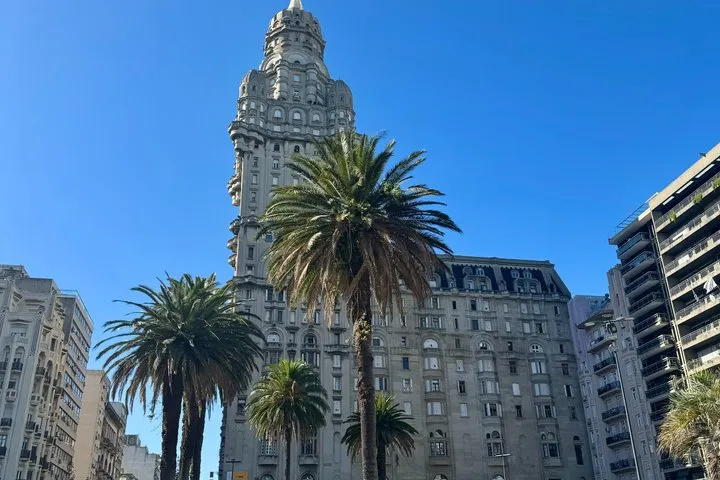
Half-day Regular City Tour at Montevideo
A short, affordable group city tour of Montevideo with pickup included and cruise passengers welcome, plus a private upgrade option.
Check Availability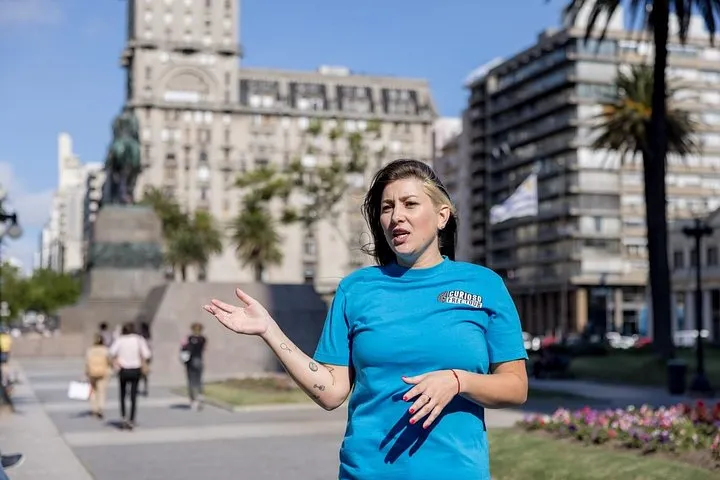 from $20
Historical and Cultural Tour of Montevideo Discover Old Town
A 2.5 hour guided walking tour of Montevideo's Old City with entry to three sights included for $20.
Check Availability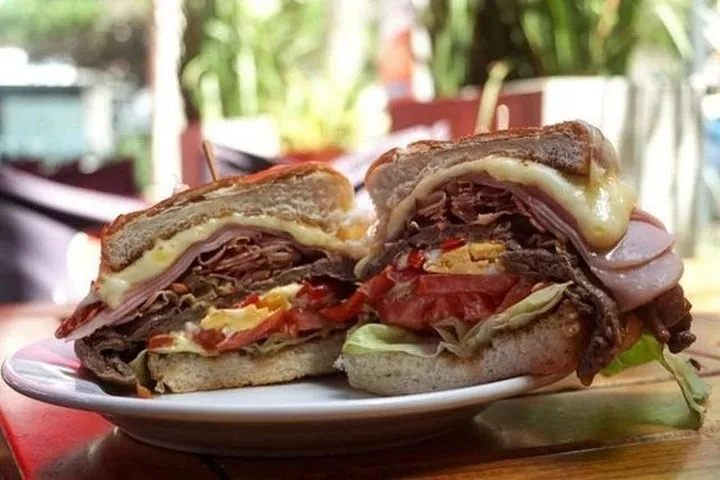 from $62.91
Best Montevideo Street Food Tour With 5 tastings
A 3 hour private food walk with 5 tastings including empanadas and mate tea, starting at FAUNA Montevideo.
Check Availability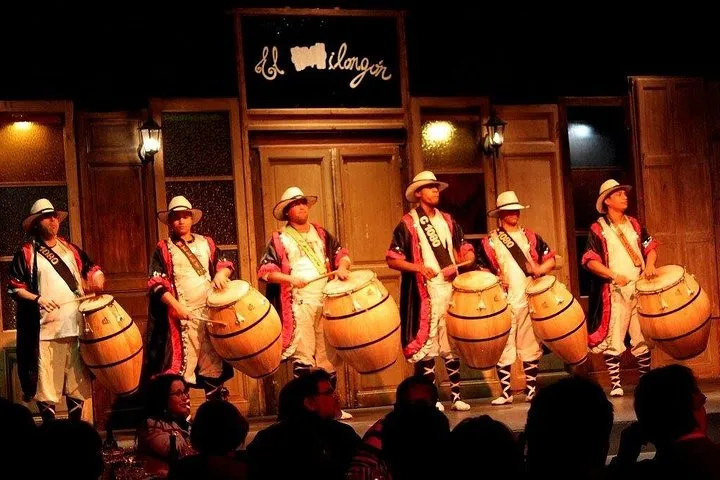 from $107
El Milongon Dinner & Show: Candombe, Tango and Folklore
An evening dinner show combining candombe, tango and folklore with a three-course meal and optional hotel transfers.
Check Availability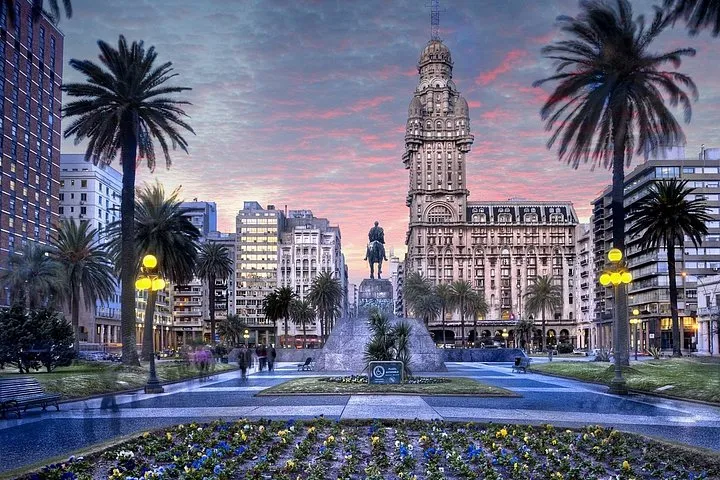 from $165
Tailor-made Montevideo: Private City Tour with a Local
A fully private, tailor-made Montevideo city tour in an electric SUV with a registered guide and free cancellation up to 24 hours before departure.
Check Availability from $60
Colonia del Sacramento - Regular Tour
A small-group shared day trip to Colonia del Sacramento with lots of free time and the option to finish at the ferry port.
Check AvailabilityCard prices are the platforms' own listed US-dollar figures. Figures current {checked}.
Prices, ratings and details are the platform's own. Dollar figures are the listed prices. The platform bills in your account's currency.
Montevideo vs Buenos Aires Questions
Is Montevideo nicer than Buenos Aires?
They suit different moods. Montevideo gives a city beach on the Rambla, a walkable old town and Sunday candombe drums. Buenos Aires gives far more sights, restaurants and theatre across a metropolis of nearly fourteen million. If you want scale and volume, Buenos Aires wins. If you want water close by and a slower pace, Montevideo does, and many travellers enjoy both in one trip.
Which is safer, Buenos Aires or Montevideo?
For Montevideo, the UK FCDO notes bag-snatching, pickpocketing and sometimes armed muggings, and advises avoiding isolated or poorly lit areas at night and the port area at night and on weekends. For Buenos Aires, it warns about pickpockets on public transport and at bus and train terminals, plus road blockades that can block routes into the city.
Is Montevideo cheaper than Buenos Aires?
No official price index comparison between the two cities exists, so there is no published answer to rank them by. Weigh each city from its own figures instead. In Montevideo, buses cost $1.29 (UYU 52) with a card, hotels charge 0% VAT to non-residents with a foreign ID, and card payments cut restaurant VAT by 9 points until 30 April 2027. Read menus and fares in Buenos Aires separately.
Can you visit Montevideo as a day trip from Buenos Aires?
Yes. The ferry lands at the port beside the old town, which puts the main sights on foot. The direct ferry takes a little over two hours according to the city tourism office, so a day trip works but feels rushed. A better split is one or two nights, or the Colonia Express route via Colonia del Sacramento with a stop there on the way.
How many days should I give each city?
A workable split for a first visit is four or five days in Buenos Aires and one or two in Montevideo. Buenos Aires has the volume to fill the longer stretch. Montevideo rewards a shorter stay: a half-day city tour, the old town, the Rambla and, if it is a Sunday, the candombe drums cover the essentials without rush.
Which city has better beaches?
Montevideo is the one with city beaches on its own waterfront. Its Rambla runs past beaches including Pocitos and Ramirez, and the beach season runs December to March, with most city beaches certified under ISO 14001 for beach management. For a beach afternoon inside the city, Montevideo is the pick of the two capitals.
Do Montevideo and Buenos Aires use the same currency?
No. Uruguay and Argentina each have their own peso, so money left over from Buenos Aires does not pay a Montevideo bus. In Montevideo, prices are in Uruguayan pesos (UYU), also written with a $ sign locally, and paying restaurants, bars and car rental by card takes 9 percentage points off the VAT until 30 April 2027. Our Uruguay currency page explains cards, cash and ATMs, and the UK travel advice suggests using ATMs inside malls or banks.
The Two Shores on Film
Three films that cross the river or put the two capitals next to each other.
Buenos Aires vs. Montevideo: Río de la Plata from Both Shores
The same estuary filmed from both capitals, the clearest way to see the difference in scale.
Video: Presence FeelingIs a Day Trip from Buenos Aires to Uruguay Worth It?
A traveller weighs the day trip across the river against staying longer.
Video: Travelling With ConThe Ferry from Buenos Aires to Uruguay Explained
How the crossing works, for anyone combining the two cities.
Video: Wolters WorldWe may earn a commission if you book through one of our links, at no extra cost to you. Full affiliate disclosure