 Montevideo City Guide
Is Montevideo Worth Visiting?
Is Montevideo worth visiting? Yes: a capital of 1,287,452 people on the water, it rewards travellers who like walking a real city rather than collecting big-ticket monuments. This page gives you the verdict in plain terms: who the city suits and who should skip it, whether one day is enough or you need several, how the day of the week changes everything, and what it costs and how safe it feels. Montevideo holds 1,287,452 people, a full capital that moves slower than Buenos Aires across the river. The old town, the Rambla, the Sunday drum calls and what the city bills as the longest carnival in the world carry the visit. Timing matters more here than in most capitals, and how you pay changes the bill.
Quick answer The short verdict
Yes. Pay by card and restaurants take 9 percentage points off the VAT until 30 April 2027, and hotels charge 0% VAT to non-residents with a foreign ID.
Key takeaways
- Short on time? the half-day city tour covers the city in 3.5 hours for $25 per person.
- Time the week. Sunday brings the Tristan Narvaja fair and the candombe drum calls in Sur, Palermo and Cordon.
- Money rules cut the bill. Read how the Uruguayan peso and card discounts work before you arrive.
- Not sure where to start? Our list of things to do in Montevideo covers one day and several.
Why Montevideo Is Worth Visiting
Montevideo rewards travellers who like cities rather than monuments. The old town on the peninsula, the long waterfront, the Sunday drums and a culture of books, football and grilled meat give it a character of its own. Four angles make the case.
An Old Town on a Peninsula
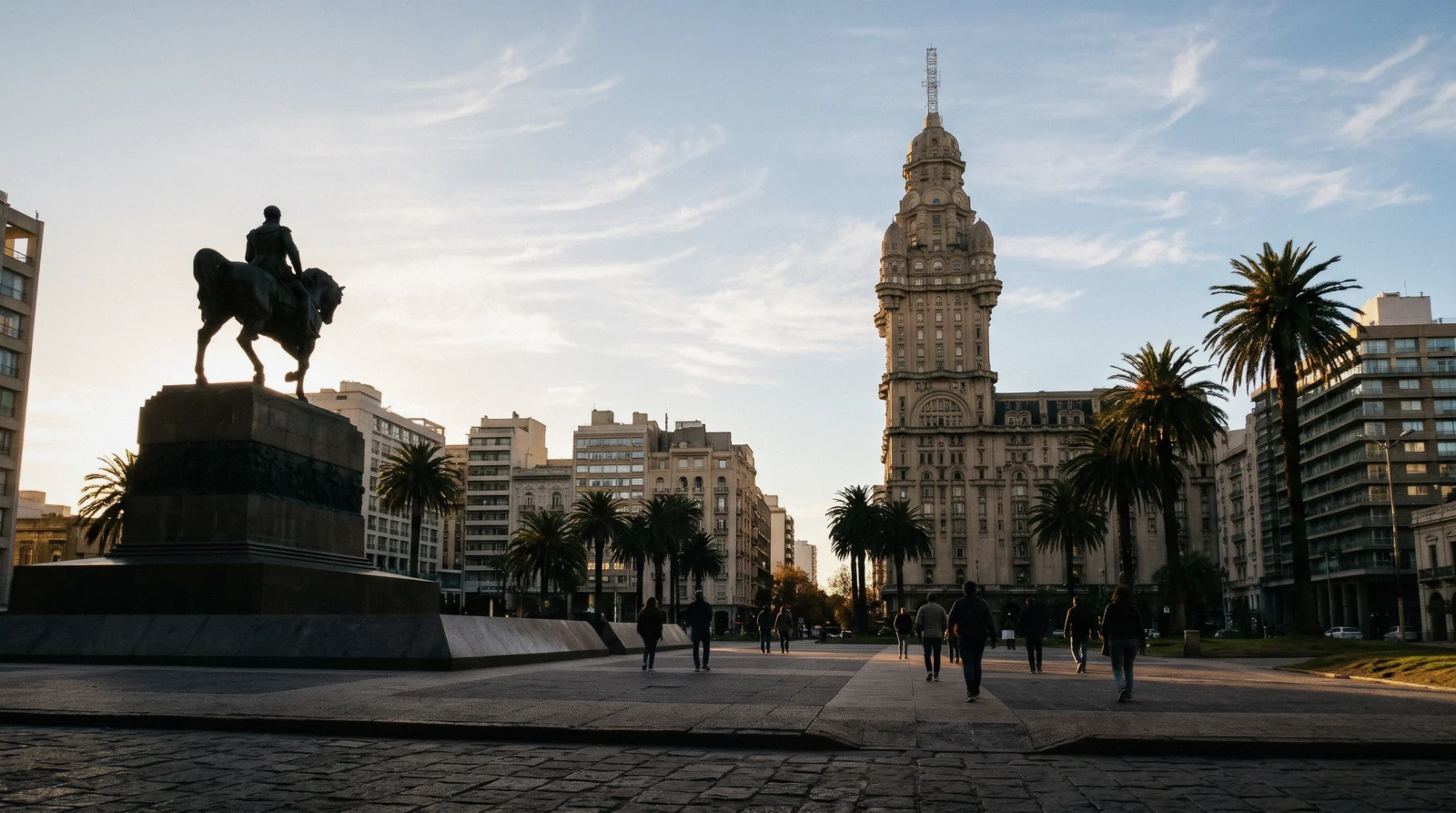
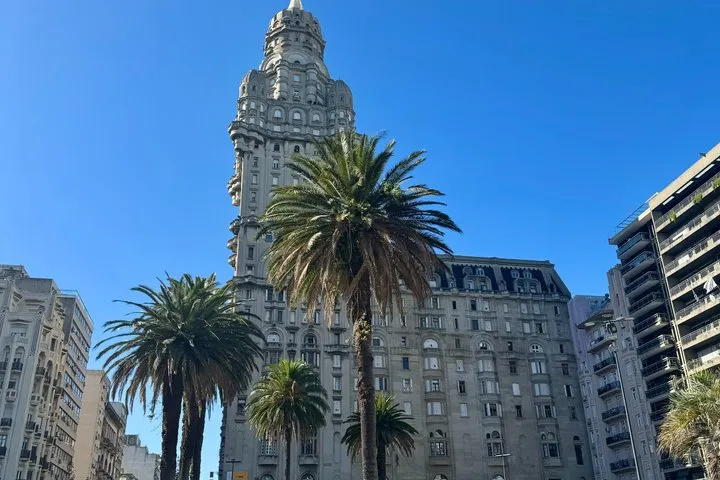
Montevideo was founded on 24 December 1726, according to governor Zabala's diary, and the old town still occupies the peninsula between the port and the water. Everything a first-time visitor wants is within a short walk. Plaza Independencia marks the border between old and new city, flanked by Palacio Salvo, finished in 1928 with 27 storeys and 105 metres, briefly the tallest building in Latin America. Across the square stands Teatro Solis, which opened in 1856 and remains Uruguay's most important theatre.
The old streets hold cafes, museums and the port market. If you arrive by ferry or cruise ship, you walk straight into this quarter, which is why a single day in Montevideo can still feel complete.
The Rambla and City Beaches
The Rambla runs along the Rio de la Plata as an unbroken waterfront walk past parks and neighbourhoods. An estuary so wide it reads as sea is the strange pleasure of it, and locals treat the whole thing as their front garden. East of the old town it passes Parque Rodo, then Punta Carretas and Pocitos, where the city beach scene lives.
The city's beach pages describe Ramirez as ideal for families and Malvin as wider with clearer water, while Pocitos sits entirely within its own barrio, sand and apartment towers side by side. Beach season runs December to March, and most beaches hold ISO 14001 certification for beach management. See our full guide to Montevideo beaches before you pack.
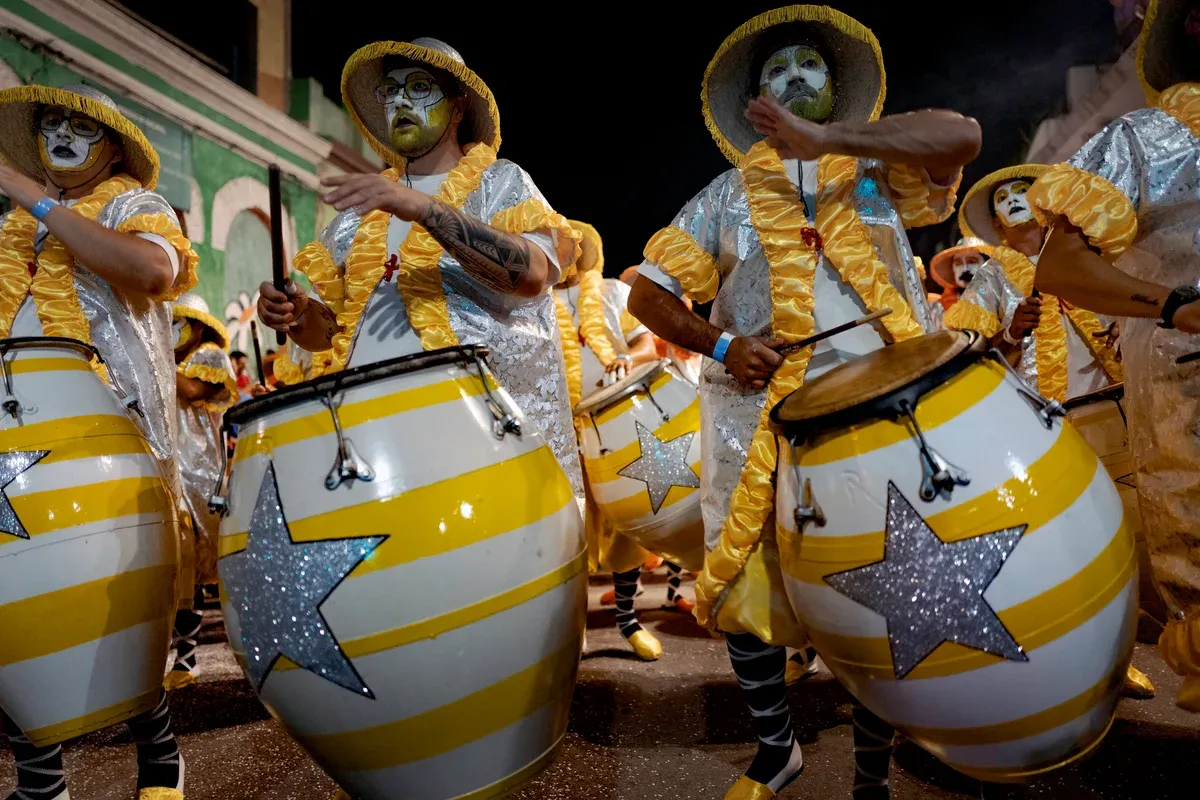
A comparsa's drum line at the Desfile de Llamadas, the candombe parade held on the first Thursday and Friday of February. Photo: Jimmy Baikovicius from Montevideo, Uruguay, CC BY-SA 2.0, via Wikimedia Commons
Candombe, Tango and the Longest Carnival
UNESCO inscribed candombe on its intangible heritage list in 2009. Every Sunday and on many holidays the drum calls, the llamadas, fill the Sur, Palermo and Cordon districts in southern Montevideo. Tango entered the same list the same year, shared by Argentina and Uruguay.
Then there is carnival. From the end of January to mid-March the city holds what it calls the longest carnival in the world, with the Desfile Inaugural on the last Thursday of January and the Llamadas parade on the first Thursday and Friday of February, plus neighbourhood stages called tablados. The Museo del Carnaval is the city's museum devoted to it.
For the drum itself, our candombe guide and our carnival calendar give the detail, and the candombe and tango dinner show packages both with dinner.
Books, Football and Food
UNESCO named Montevideo a Creative City of Literature in 2015. It is the home town of Mario Benedetti and Juan Carlos Onetti, and it was once called the Athens of the Rio de la Plata, which tells you how seriously it takes the written word. Football carries equal weight. Estadio Centenario hosted the final of the first World Cup in 1930, and a special centenary match is scheduled there for the 2030 tournament.
Between museums and matches, eat. Mercado del Puerto is the classic address for grilled meat under the market roof, and our guide to Uruguayan food covers chivito, mate and the rest. None of this is a single landmark. It is a way a city behaves, and it is the honest reason to come.
Source: UNESCO Creative Cities, UNESCO: Candombe, Descubri Montevideo: Carnaval, Wikipedia: Palacio Salvo.
Who Should Skip Montevideo or Keep It Short
An honest verdict needs the other side. Some travellers will get more from a day here than a week, and some will do better elsewhere. Three cases cover most of them.
If You Want Big Sights Back to Back
Montevideo has no single sight on the scale of Buenos Aires' highlights, and that is the point people miss when they compare. Buenos Aires counts 3,121,707 residents on 205.9 square kilometres and an urban agglomeration near 14 million. Montevideo is a city you feel rather than queue for: a waterfront walk, a market lunch, drums on a Sunday evening.
If your trip lives or dies on volume of attractions, read our Montevideo vs Buenos Aires comparison and weight your days accordingly, or keep Montevideo to a day trip from Buenos Aires.
If Your Only Free Day Is a Monday
Museums close. MNAV, the national art museum, opens Tuesday to Sunday from 13:00 to 20:00 with free entry, so Monday it is shut, and it is not alone among city museums. If a Monday is the only day you have, plan around it rather than against it.
The old town walk still works, Mercado del Puerto still serves, the Rambla and Plaza Independencia need no ticket, and the hop-on hop-off bus runs its circuits. Save the museum morning for another day or another city. Check hours before you go, because not every museum prints them clearly online, and several official pages list no schedule at all.
If You Need Beach Weather
Summer runs December to March, and that is when the beaches matter. Winter, June to August, brings average lows and highs between 6 C and 14 C according to the city's tourism office, and July's average high is 14.7 C (58 F). That is cool, damp and windy weather for a beach town, though it suits bars, theatre and museums.
Rain falls year round in modest amounts, with April the wettest month and May the driest. If swimming and sand are the whole reason for your trip, come in the southern summer or point yourself elsewhere. Our Montevideo weather guide breaks the year down month by month.
Source: MNAV, INUMET climate normals, Descubri Montevideo: seasons.
How Many Days Do You Need in Montevideo?
One day works if it is the right day. Two or three let the city breathe. A week buys you the coast beyond the capital. The table at the end of this section sums up what fits and what to drop.
One Day: From a Ferry or a Cruise Ship
From Buenos Aires the direct Buquebus ferry takes a little over two hours, with cars carried, and cruise ships dock beside Ciudad Vieja during the summer season, so day visitors step off into the old town itself. That geography does most of the work: Plaza Independencia, the port market and the Rambla are all walkable. For orientation in limited time, the hop-on hop-off bus sells a 24-hour pass over two circuits, a Central Circuit and a Rambla Circuit, with an audio guide in six languages, for $25 per person.
Or take the half-day city tour, 3.5 hours with hotel pickup, sold to cruise passengers too. Read our pages on coming from Buenos Aires and the cruise port before you fix a schedule.
Two or Three Days
With two or three days the city opens up. Give the old town a full morning, walk a stretch of the Rambla towards Pocitos, add one or two museums, and eat at the port market once. Try to include a Sunday: the Tristan Narvaja fair runs in Cordon and the candombe drum calls sound through Sur, Palermo and Cordon, which together are the single best day the city offers.
Sleep in the centre or along the coast so evenings stay easy, and pick from our list of Montevideo hotels. Fill the gaps using our complete guide to things to do in Montevideo, which sorts the sights by neighbourhood so you lose no hours crossing town.
A Week, With Day Trips
A week turns Montevideo into a base. The obvious pair of day trips are Colonia del Sacramento to the west, and the beach resort of Punta del Este to the east. Both run as small-group tours with hotel pickup, which spares you bus timetables. The Colonia del Sacramento day tour takes 10 hours at $60 per person and can even finish at the ferry port if you are heading on to Buenos Aires. The Punta del Este full-day tour runs the same 10-hour shape for $45 per person with an optional Casapueblo visit.
Our guide to day trips from Montevideo lists more, including wineries, and Colonia del Sacramento and Punta del Este have their own pages.
| Time you have | What fits | What to drop |
|---|---|---|
| One day | Old town walk, port market, Plaza Independencia, a bus or guided tour for orientation | Beaches, museums beyond one, evening shows |
| Two or three days | All of the above plus a Rambla walk, one or two museums, a Sunday for the fair and the drums | Day trips outside the capital |
| A week | Everything in the city plus Colonia del Sacramento and Punta del Este by tour | Nothing, though beach time still depends on the season |
Source: Descubri Montevideo: by boat.
What It Costs and How Safe It Feels
Costs in Montevideo depend less on the menu than on how you pay. The tax rules for foreign visitors are unusually generous, and the safety picture is manageable if you follow a few ordinary habits. Both points shape whether the city feels worth it.
Pay by Card, Pay Less VAT
The rules favour visitors. Hotels charge 0% VAT all year to non-residents who show a foreign-issued ID, invoiced without VAT, so there is nothing to refund later. Paying restaurants, bars, cafes, winery tastings, event services and car rental by card or e-money takes 9 percentage points off the VAT until 30 April 2027, and the discount comes straight off the bill at payment.
Everyday examples show the pattern: the STM urban bus costs $1.29 (UYU 52) by card against $1.59 (UYU 64) cash, so cash payers hand over about 23% more. Carry a foreign card and use it. Our pages on Uruguay currency and the Montevideo cost of living give the wider numbers on prices and incomes.
Safety in Plain Terms
The UK foreign travel advice for Uruguay records that bag-snatching, pickpocketing and sometimes armed muggings occur. It advises avoiding isolated or poorly lit areas at night, and avoiding walking alone downtown or in the port area at night and at weekends. It also suggests using ATMs inside malls or banks, and notes car break-ins are common, so leave nothing visible.
None of this makes Montevideo a place to avoid: it is advice about when and where to walk. Our Is Montevideo safe page sets out the full official advice.
Source: Uruguay Natural: benefits for non-residents, IMPO: Decreto 235/026, GOV.UK: Uruguay safety.
The Easiest Ways to Test Montevideo
If you are deciding whether the city deserves more than a day, these are the bookings that show it fastest: two city overviews, an old-town walk, an evening of candombe and tango, and the classic day trips for a longer stay.
 from $25
Half-day Regular City Tour at Montevideo
A short, affordable group city tour of Montevideo with pickup included and cruise passengers welcome, plus a private upgrade option.
Check Availability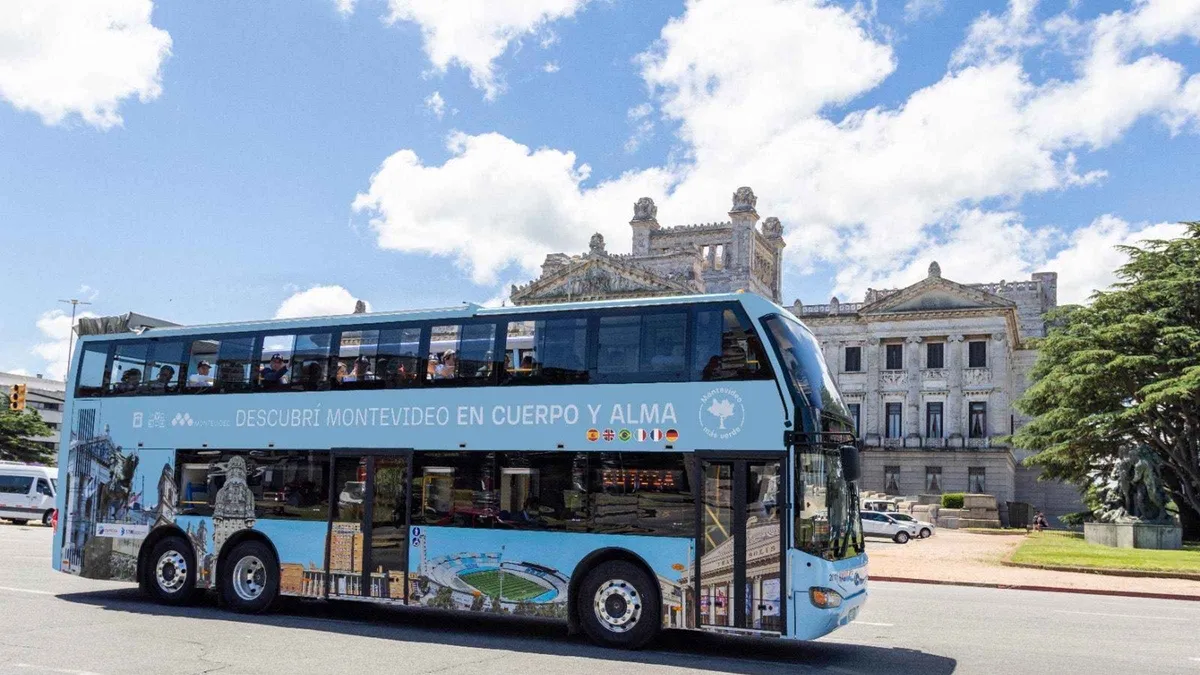 from $25
Montevideo: Sightseeing Hop-On Hop-Off Bus Tour
The cheapest city overview in Montevideo, a two-circuit 24-hour hop-on hop-off pass with audio guide for $25.
Check Availability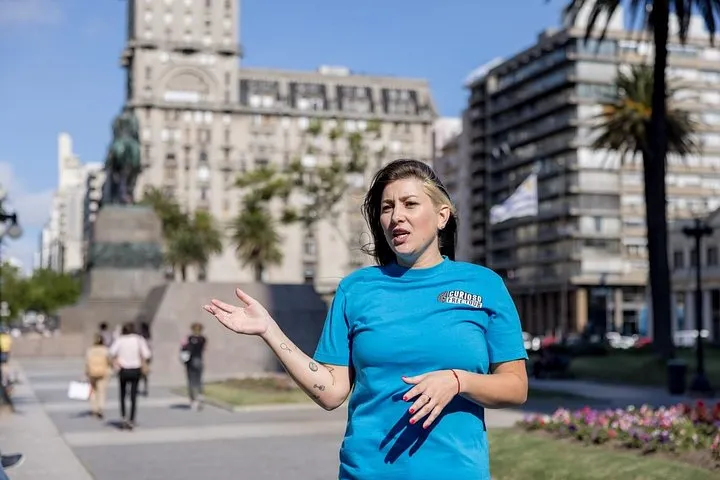 from $20
Historical and Cultural Tour of Montevideo Discover Old Town
A 2.5 hour guided walking tour of Montevideo's Old City with entry to three sights included for $20.
Check Availability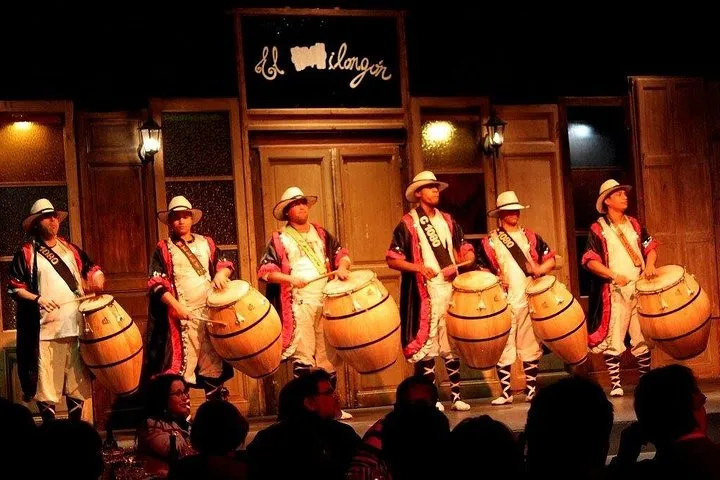 from $107
El Milongon Dinner & Show: Candombe, Tango and Folklore
An evening dinner show combining candombe, tango and folklore with a three-course meal and optional hotel transfers.
Check Availability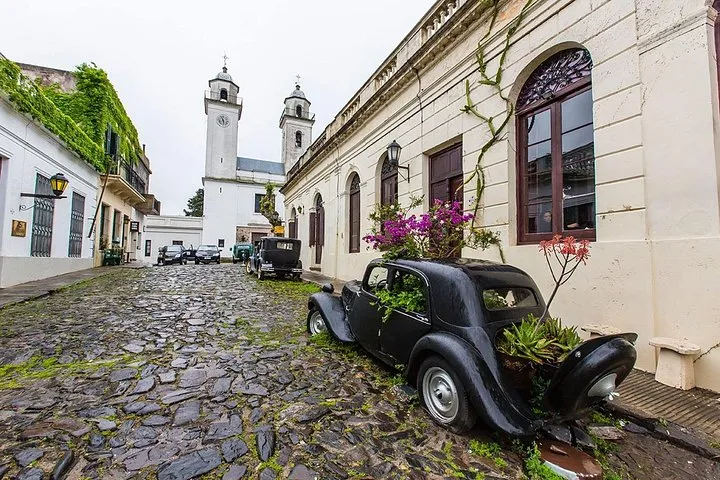 from $60
Colonia del Sacramento - Regular Tour
A small-group shared day trip to Colonia del Sacramento with lots of free time and the option to finish at the ferry port.
Check Availability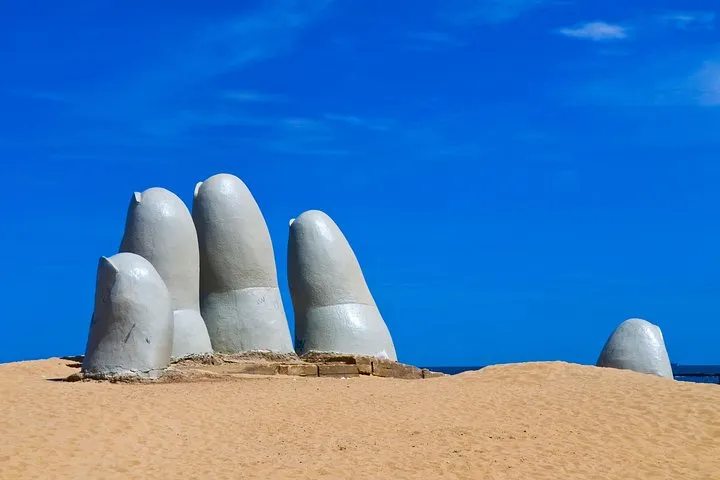 from $45
Editor's pick
Full Day Punta del Este
A small group day trip to Punta del Este with hotel pickup across Montevideo, capped at 15 travellers for $45 per person.
Check AvailabilityCard prices are the platforms' own listed US-dollar figures. Figures current {checked}.
Prices, ratings and details are the platform's own. Dollar figures are the listed prices. The platform bills in your account's currency.
Is Montevideo Worth Visiting? Questions
Is Montevideo or Buenos Aires better?
They are different sizes of proposition. Buenos Aires has roughly 3.1 million residents and an agglomeration near 14 million, with a deeper supply of theatres, museums and nightlife. Montevideo trades that volume for a walkable old town, a long waterfront and a slower rhythm. If you want big-city intensity, choose Buenos Aires. If you want a capital you can cross on foot, choose Montevideo. Our Montevideo vs Buenos Aires page compares them in detail.
How many days do you need in Montevideo?
One day covers the old town, Plaza Independencia and the port market, especially by ferry or cruise ship. Two or three days add the Rambla, museums and ideally a Sunday for the Tristan Narvaja fair and the candombe drums. A week works only if you use Montevideo as a base for day trips to Colonia del Sacramento and Punta del Este. Most first-time visitors should plan two or three.
Is Montevideo worth visiting from Buenos Aires?
Yes, and the trip is easy. The direct Buquebus ferry takes a little over two hours, cars carried, and cruise ships dock right beside Ciudad Vieja in summer. A single well-chosen day covers the old town, the market and a bus tour, so the answer is yes even if you never stay overnight. If you can stay for a Sunday, the drums and the fair lift the visit.
Is Montevideo worth visiting for a week?
Only as a base. A week in the city itself outlasts its sight list, but add day trips and the week fills: Colonia del Sacramento, Punta del Este, wineries and the coast. Hotels charge 0% VAT to non-residents with a foreign ID, which softens a longer stay. Book the day trips ahead, since the Colonia and Punta del Este small-group tours cap at 15 travellers.
How safe is Montevideo for American tourists?
Manageable with normal care. UK travel advice records bag-snatching and pickpocketing, and sometimes armed muggings, and advises avoiding isolated or poorly lit areas at night and walking alone downtown or in the port area at night and on weekends. Use ATMs inside malls or banks and leave nothing visible in cars. Our Montevideo safety page has the full advice.
Is Montevideo expensive to visit?
Less than you expect if you pay the right way. Hotels invoice 0% VAT to non-residents with a foreign ID all year, and card payments at restaurants, bars, cafes, winery tastings and car rental take 9 percentage points off the VAT until 30 April 2027. A city bus costs $1.29 (UYU 52) by card. Prices otherwise read the menu, as no official price list covers coffee or meals.
What can you do in Montevideo in one day?
Walk the old town from Plaza Independencia past Palacio Salvo and Teatro Solis, lunch under the grills at Mercado del Puerto, then take the hop-on hop-off bus or a half-day guided tour for the wider city and the Rambla. If the day is a Sunday, add the Tristan Narvaja fair in Cordon and the candombe drum calls in Sur, Palermo and Cordon.
Is Montevideo Worth It? Three Travellers' Answers
Three travel films that put the question to the city on the ground.
Things To Do in Montevideo: Is the Capital of Uruguay Worth Visiting?
A couple tests the city sight by sight and gives their own verdict.
Video: Mark and AsyaIs Montevideo Worth It? Best Things to Do in One Day
A one-day route through the city, the length most ferry and cruise visitors have.
Video: Lost Between OceansWe Spent 3.5 Weeks in Montevideo and Here's What We Found
The long-stay view, from travellers who gave the city weeks rather than hours.
Video: Moore to ExploreWe may earn a commission if you book through one of our links, at no extra cost to you. Full affiliate disclosure