 Montevideo City Guide

Uruguay Mate: The Drink, the Kit and How a Round Works
Uruguay mate is the hot, bitter infusion of yerba mate that Uruguayans carry through the streets with a thermos tucked under one arm. It is the national drink, shared from a gourd through a metal straw, and it is everywhere: in the street, in offices and on the Rambla. This page explains what mate is, the kit you need, how to prepare it the Uruguayan way, how a shared round works and what it does to your body, plus where to try it or buy a set in Montevideo. Start with things to do in Montevideo or go deeper into Uruguayan food.
Quick answer What it is, how a round works, where to try it
Uruguay drinks about 8 kg of yerba per person a year, the highest in the world, yet has imported practically all of it since 1920. The drink is hot and bitter, sipped from a gourd (also called a mate) through a metal straw called a bombilla. Water sits in a thermos because the drink is refilled all day. In a group, one person, the cebador, prepares it and passes it around a circle (the rueda). Water is 70-85°C, never boiling.
Key takeaways
- Say gracias only when you want no more. Thanking for each refill would end the round, so hold the word until you are done and hand the gourd back empty.
- Try it properly on the street food walk with five tastings and traditional mate tea, $62.91 per person for three hours, free cancellation up to 24 hours before.
- Buy a gourd and bombilla at the Sunday Tristán Narvaja fair or the souvenir streets of Ciudad Vieja, see Montevideo shopping.
- For the history, the Museo del Gaucho y la Moneda in the Banco República hall in Ciudad Vieja holds what Spanish Wikipedia calls the country's largest display of mates and bombillas.
What Is Mate in Uruguay?
The Drink and the Leaf
Mate is an infusion of yerba mate, the dried and ground leaves of Ilex paraguariensis, a holly tree native to southern South America. It is the national drink of Uruguay, Argentina and Paraguay, and it contains caffeine, which is why a thermos gets refilled from morning to night. The city's official tourism site notes that mate was drunk by Charrúas, Guaraníes and criollos before the nation existed, and that it later became the national drink across all social classes.
That last point matters for the visitor. Mate is not a rural curiosity or a tourist ritual. Spanish Wikipedia notes it is drunk every day at home and at work, where a thermos and a gourd often sit beside the computer.
If someone offers you theirs, that is inclusion, not a sales pitch.
The Biggest Drinkers Grow None
Here is the odd part of the story. Uruguay drinks about 8 kg of yerba per person per year, the highest figure in the world, yet it has imported practically all commercially consumed yerba since 1920. The plant itself is not foreign to the country.
It grows wild in Uruguay's hill forests, but local production never scaled to match the national habit, so the yerba in almost every gourd you see is imported. Small-scale projects to grow it commercially in the east of the country are under way. For you the consequence is simple.
The yerba you buy in Montevideo was packed for Uruguayan taste, not grown there.
Source: Wikipedia, Mate (Spanish)), Descubrí Montevideo.
Mate Words You Will Hear
A round comes with its own vocabulary, drawn from the descriptions of mate on Wikipedia's Spanish and English articles. Learn a handful of words and the whole ritual stops looking like a code.
| Word | What it means | When you hear it |
|---|---|---|
| Mate | The drink itself, and also the gourd it is drunk from | All the time. Mate names the infusion, the vessel and the ritual at once |
| Yerba | The dried, ground leaves of Ilex paraguariensis that fill the gourd | At the shop and at the fair, sold loose by the kilo |
| Bombilla | The metal straw with a filter at the bottom that strains the leaves as you sip | When someone lends or adjusts one, or when a silver one is shown off |
| Termo | The thermos that keeps the water hot for refills all day | Always. In Uruguay the termo rides under the arm everywhere |
| Matera | The Uruguayan word for the bag that keeps thermos and mate upright | When you buy or carry a mate set, or see the leather versions at craft stalls |
| Cebador | The server who prepares the mate, drinks the first fill and refills for the group | In any round, to explain who pours next |
| Rueda | The circle of people sharing one mate in turn | When a group sits down to share one mate |
| Lavado | Washed out, the state of yerba that has given up its flavour | When the cebador refills and the mate tastes of plain water |
| Amargo | Bitter, the standard Uruguayan way to drink mate | When someone asks how you take yours, or contrasts it with sweet mate |
The kit has four or five parts, the server has a name, and even the moment the yerba runs out of flavour has one. Use the table as a cheat sheet while you watch or join your first round.
The Kit: Gourd, Bombilla, Termo and Matera
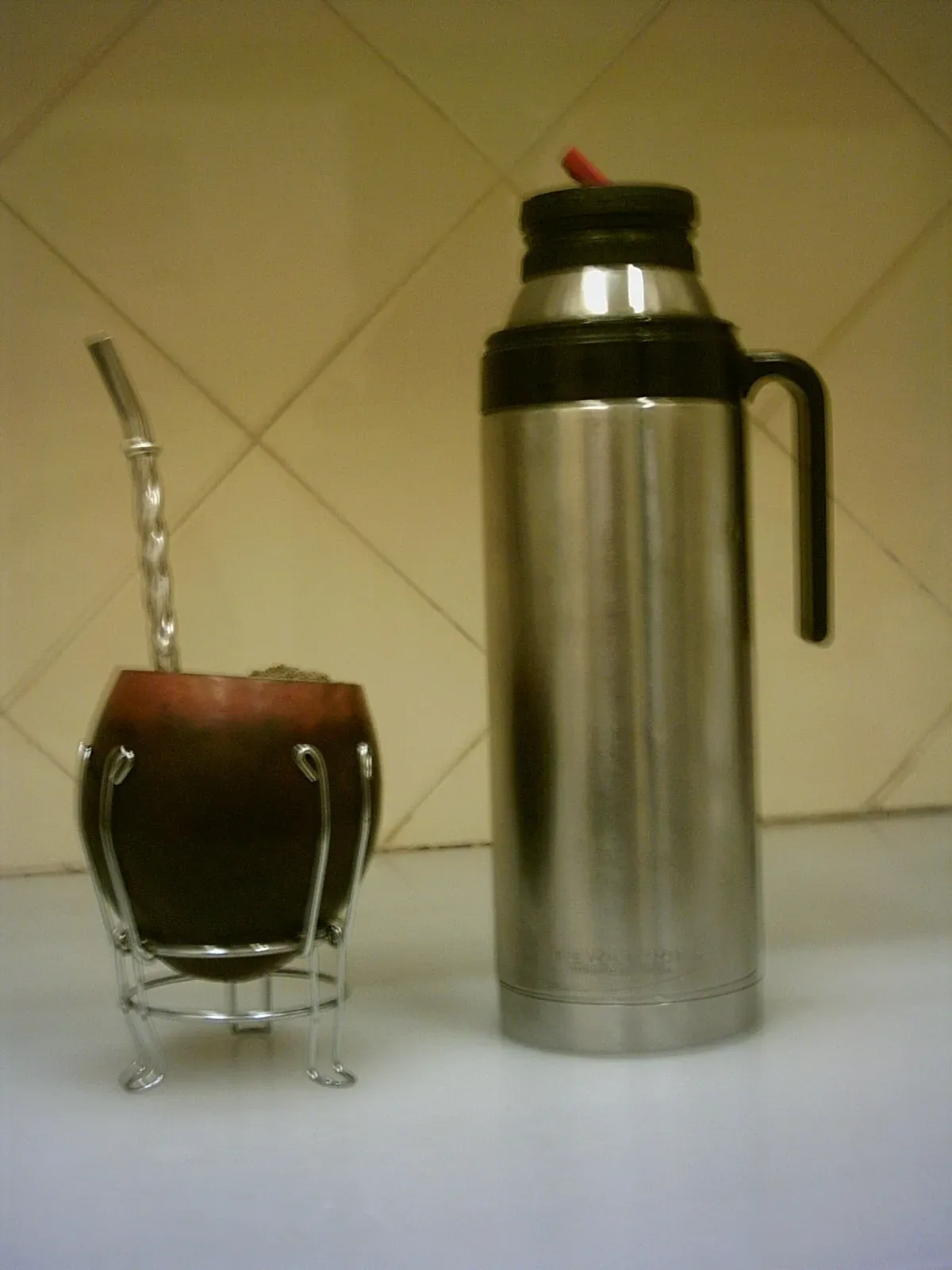
The Uruguayan kit: a calabash gourd with its bombilla on a stand, and the thermos with a pouring spout. Photo: Góngora (author assumed from copyright claims), CC BY 2.5, via Wikimedia Commons
The Gourd
The vessel is also called a mate, and the classic one is a porongo, a gourd of Lagenaria siceraria, hollowed and cured. Uruguayan gourds are usually big, with a large opening, which suits the local habit of generous pours and constant sipping. You will also find mates in wood, ceramic and metal, and silver-decorated versions that belong on a display shelf rather than in a backpack.
One rule of the house matters if you plan to keep drinking at home: a gourd cured for bitter mate stays bitter mate. The bitter gourd is not used for sweet mate, because it keeps the flavour of the leaf. A dedicated gourd for sweet versions is the usual solution.
The Bombilla
The bombilla is a metal straw with a filter at the drinking end. It does two jobs at once. It carries the infusion to your mouth and it strains out the fine yerba dust that would otherwise come with it.
The straw sits in the gourd before the first pour and stays there through the whole round. Quality runs from plain steel to fine silver, and silver bombillas are collectors' pieces that turn up in museum cases as much as in kitchens. For a first set, any sturdy steel bombilla from the fair does the same work as an ornate one.
The Termo and the Matera
Uruguay turned mate into a walking drink by switching from the kettle to the thermos. Wikipedia describes the national scene plainly: people walk the streets with mate and thermos, the gourd in one hand and the flask under the arm. Older kits used cork-topped flasks called picos cebadores, some shaped like a horse's head, with a spout for pouring straight into the gourd.
The word you need at a shop is matera, the Uruguayan term for the bag that keeps the thermos and the mate upright and together. Materas range from simple canvas slings to tooled leather, and they answer the one practical problem of street mate, which is that a gourd tips over.
Source: Wikipedia, Mate), Wikipedia, Mate (Spanish)).
How to Prepare Mate the Uruguayan Way
Preparation looks fussy the first time and takes a minute once your hands know it. The steps below follow the method described on Wikipedia's mate articles, with the Uruguayan temperature rule. What matters most is the water. Hot, never boiling, or you scald the leaf and the roof of your mouth.
1. Fill the gourd half to three-quarters with yerba. 2. Cover the mouth with your palm, invert and shake, then tilt the gourd so the yerba piles up on one side and a slope runs down the other. 3. Pour a little cool water into the empty space to wet the bottom of the slope and wait two or three minutes so the leaf settles without washing away. 4. Insert the bombilla into the cleared space, filter end down, and leave it there for the whole session. 5. Pour water at 70-85°C, never boiling, into the space beside the yerba pile and sip through the bombilla. 6. Keep refilling the same spot until the mate is lavado and tastes of water, then move the pile to the other side to revive it, which is called reformar el mate.
Source: Wikipedia, Mate).
How a Mate Round Works
The Cebador Serves
One person runs the round. The cebador prepares the mate, usually drinks the first fill to check the temperature and the taste, then passes the gourd and refills it as it comes back. The gourd travels in turn around the circle, and in Uruguay the direction is clockwise.
Drink everything in the gourd before handing it back. Country custom adds a note of courtesy: the owner of the mate prepares it, and preparing someone else's mate without asking is considered rude. As a guest your only job is to accept, drink, pass back and keep the circle moving.
Gracias Means Stop
The word that governs the round is gracias. You do not thank the cebador for each refill. Handing back the gourd and saying gracias is the signal that you want no more, and a polite cebador will skip you from then on.
Drink it all before you pass it back, empty gourds keep the count honest. Is it rude to refuse mate? No. Decline politely with a gracias, and nobody minds.
The saying un mate no se le niega a nadie, a mate is refused to no one, describes hospitality, not an obligation. First-timers who worry about this rule worry more than their hosts do.
Bitter, Not Sweet
Uruguayans drink mate hot and bitter, called amargo, and that is the standard you will be offered. Sweet mate exists, but it belongs more to Argentina, and a gourd cured for bitter stays bitter, which is why the two rarely share a vessel. Children in Uruguay often grow up on mate de té, black tea with lemon drunk through a bombilla from a cup rather than the gourd, a gentle entry point if straight yerba strikes you as too much.
The traditional companions are bizcochos and tortas fritas, the fried rounds with a hole in the middle, which turn any mate round into a snack. Read more in our guide to Uruguayan food.
Source: Wikipedia, Mate (Spanish)).
Where to Try and Buy Mate in Montevideo
You can taste mate on a guided walk, buy the kit at a Sunday fair and see historic silver sets under one roof, all within a short list of stops, see Montevideo attractions.
On a Tour
Several walks put a mate in your hands with someone to explain the ritual. The street food walk with five tastings and traditional mate tea runs three hours from FAUNA Montevideo and costs $62.91. Cruise passengers with half a day can take the small-group shared tour with an optional mate stop at $65, which adds a chance to try mate, possibly with churros, at the oldest bar in downtown Montevideo. For the cheapest entry, the Ciudad Vieja walking tour at $20 has a guide who covers mate among other local customs such as football.
Browse the full range in our Montevideo tours guide.
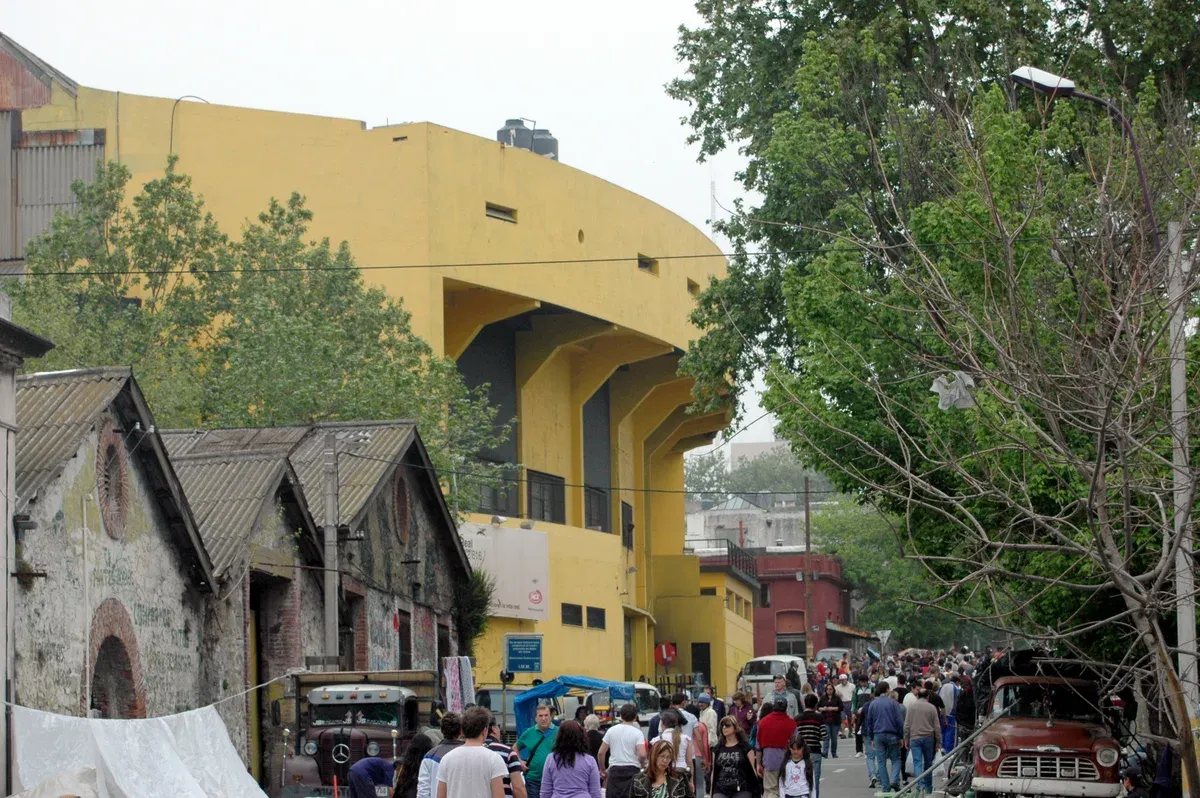
Sunday crowds on Calle Minas during the Tristán Narvaja fair in Cordón. Photo: Andrés Franchi Ugart, CC BY-SA 3.0, via Wikimedia Commons
Tristán Narvaja Sunday Fair
The Feria de Tristán Narvaja runs every Sunday from about 9:00 to about 16:00 on Tristán Narvaja street at 18 de Julio in Cordón. It opened in 1909 selling fruit and vegetables and now sells almost everything, from fresh pasta for Sunday lunch to books, antiques, records and old household goods, which makes it the likeliest place in the city to find a used gourd, a silver-trimmed bombilla or a leather matera with some years on it. Go in the morning for the widest choice and bring small notes in pesos.
Check a gourd for cracks before you pay, and ask whether it has been cured. The rest of the week's shopping is on the Montevideo shopping page.
Souvenir Lanes and Markets
Ciudad Vieja makes the shopping easy because the lanes are close together. Peatonal Pérez Castellano runs from Peatonal Sarandí down to the Mercado del Puerto, lined with souvenir shops and food places, and it ends at the Mercado de Artesanos, the crafts market, so one short walk covers several places to compare gourds and bombillas. Further inland, the Mercado Agrícola de Montevideo, opened 1913 as a wholesale market and reopened restored in 2013, holds about 100 stalls plus a food court, with craft and souvenir shops among them.
Entry is free and there are four step-free entrances with ramps, so it works in any weather. Details in our Ciudad Vieja guide.
Museo del Gaucho y la Moneda
For mate as heritage rather than shopping, the Museo del Gaucho y la Moneda moved in October 2024 to the central hall of the Banco República headquarters in Ciudad Vieja. Its collection covers silverwork and knives, paintings, sculpture and historic pieces of gaucho life, and Spanish Wikipedia says it holds the country's largest display of mates and bombillas. Hours and entry are not published on the official news page announcing the move, so check before you go.
The hall sits in the heart of Ciudad Vieja, so pair it with the lanes nearby.
Source: Descubrí Montevideo, Tristán Narvaja, Descubrí Montevideo, Pérez Castellano, Presidencia, Museo del Gaucho.
What Yerba Mate Does to Your Body
Mate contains caffeine. Wikipedia notes that mateína, the substance long credited with special properties in mate, is in fact caffeine itself, so the effect you feel is the familiar one: alertness and, in a round that lasts all afternoon, a slow steady dose rather than one big hit. The health question that research does flag is temperature, not the leaf.
Wikipedia links drinking very hot beverages, above 65°C, to oesophageal cancer, and notes that smoke-dried yerba carries PAHs, compounds also found in smoked foods. The practical translation is already the Uruguayan rule. Use water at 70-85°C, never boiling, and let the first pours settle and cool a little before you sip.
There are no medical promises to be made either way, so treat mate as a pleasure and a caffeine source, and mind the heat.
Source: Wikipedia, Mate).
Tours Where Mate Comes Up
Each of these tours touches mate from a different angle, from mate tea served as one of the tastings to a guide explaining the customs around it. Every card cancels free up to 24 hours before. Figures current {checked}.
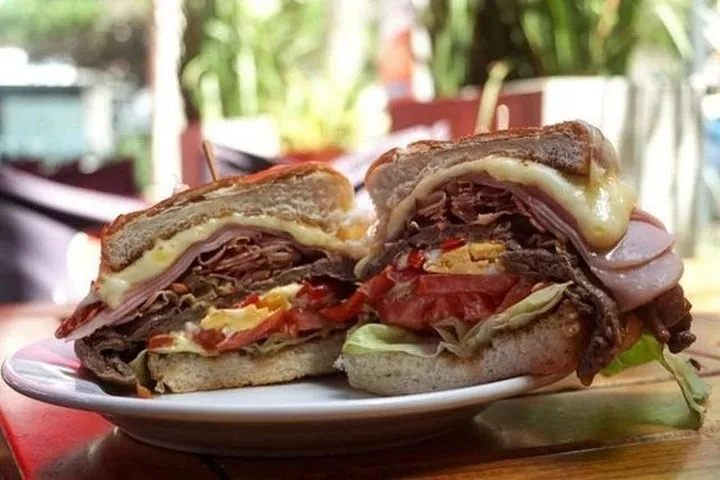 from $62.91
Best Montevideo Street Food Tour With 5 tastings
A 3 hour private food walk with 5 tastings including empanadas and mate tea, starting at FAUNA Montevideo.
Check Availability from $65
"Discovering Montevideo" shared tour for cruise passengers in a small group
A small-group port pickup tour for cruise passengers covering 12 city sights, with a 22nd-floor viewpoint and free time at Mercado Agrícola.
Check Availability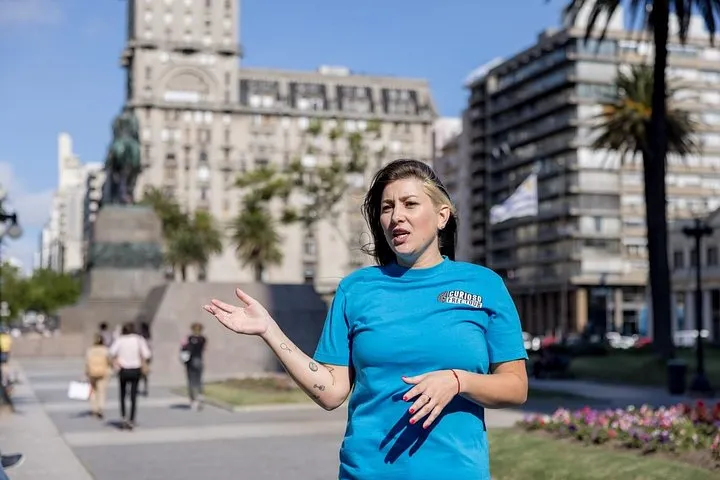 from $20
Historical and Cultural Tour of Montevideo Discover Old Town
A 2.5 hour guided walking tour of Montevideo's Old City with entry to three sights included for $20.
Check Availability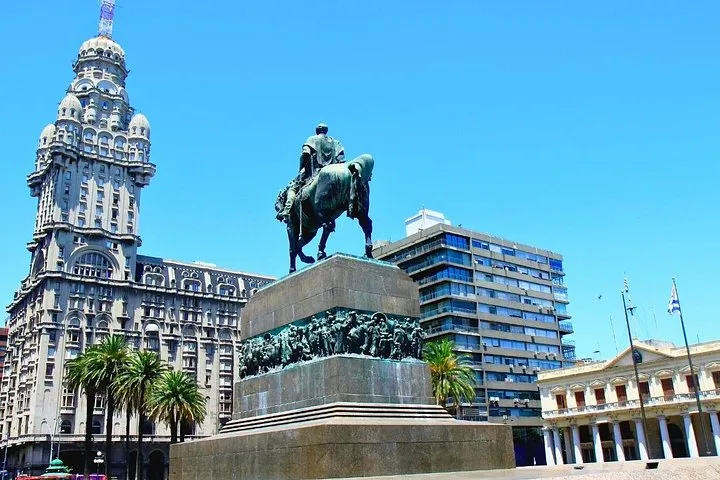 from $39.20
Montevideo Highlights: Shared City Tour for Cruise Passengers
A short shared city tour timed to cruise docking, wheelchair accessible and priced at $39.20 per person.
Check Availability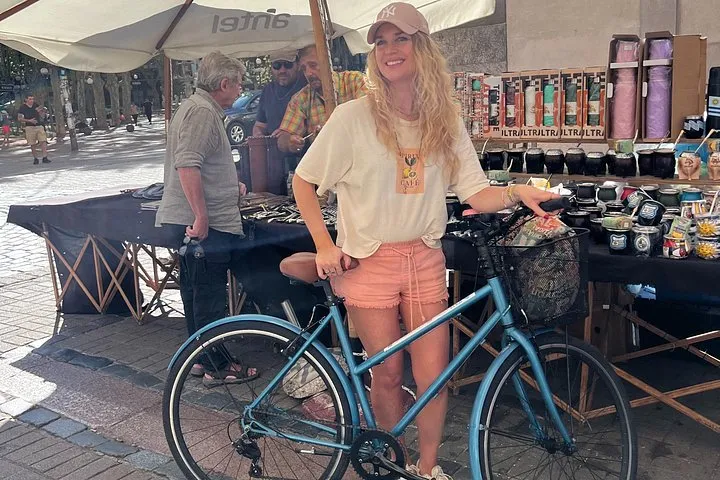 from $55
Montevideo Small Group Bike Tour or E-bike tour with picnic
Small-group bike or e-bike ride through Ciudad Vieja and the Rambla with a picnic at the end, capped at 6 riders.
Check Availability from $25
Montevideo: Half-Day City Tour with Live Guide
A short 3.5-hour overview of Montevideo's main sights with lunch included, from $25 per person.
Check AvailabilityPrices, ratings and details are the platform's own. Dollar figures are the listed prices. The platform bills in your account's currency.
Keep Going
Uruguayan Food
The plates that go with mate, from bizcochos to tortas fritas, and the rest of the national table.
Montevideo Shopping
Where to buy a gourd, bombilla and matera, from the Sunday fair to the craft markets.
Rambla de Montevideo
The seaside promenade where locals drink mate at sunset and visitors understand the habit.
Ciudad Vieja
The old port quarter with the souvenir lanes, the craft market and the silver mates of the gaucho museum.
Uruguay Mate Questions
What is a mate in Uruguay?
A mate is three things at once: the bitter hot infusion of yerba mate, the gourd it is drunk from and the ritual of sharing it. Uruguay is the country that drinks the most yerba in the world, about 8 kg per person a year, and people carry the gourd and thermos through the streets. Try it on the street food walk with five tastings and mate tea.
What does yerba mate do for your body?
It delivers caffeine, since the substance once called mateína is simply caffeine, so expect alertness rather than anything exotic. The documented risk lies in temperature: Wikipedia links drinks above 65°C to oesophageal cancer. The Uruguayan rule already handles it, water at 70-85°C and never boiling. For context on the food culture around it, see Uruguayan food.
Why do Uruguayans carry a thermos?
Because a mate is refilled all day. The gourd holds the yerba, the thermos holds the hot water, and the drink only works if the pour is always ready at 70-85°C. The thermos turned mate into a walking drink, and the matera bag keeps flask and gourd upright together. The kit section explains each piece.
Can you buy a mate set in Montevideo?
Yes. The Tristán Narvaja fair runs every Sunday from about 9:00 to about 16:00 and turns up gourds, bombillas and leather materas among the antiques. In Ciudad Vieja, the souvenir shops on Peatonal Pérez Castellano and the Mercado de Artesanos at its end sell new sets. Full list of options in our Montevideo shopping guide.
Is it rude to refuse mate?
No. Decline politely with a gracias and the cebador simply skips you from the next round on. The saying un mate no se le niega a nadie, a mate is refused to no one, describes the host's generosity, not your obligation. Nobody expects a first-time visitor to love the bitterness.
How do you say no more mate?
Say gracias when you hand the gourd back. That single word is the standard signal in a round that you want no more, which is why you never thank the server for each refill. Drink the gourd empty first, pass it back, say gracias and the cebador stops offering.
Do Uruguayans drink mate sweet?
Mostly no. The standard is hot and bitter, called amargo, and a gourd cured for bitter mate is kept for bitter mate only. Sweet mate exists but is more associated with Argentina. Children in Uruguay often start on mate de té, black tea and lemon sipped through a bombilla from a cup. The usual companions are bizcochos and tortas fritas, covered in our Uruguayan food guide.
Uruguay Mate on Film
Three short films that show the gourd, the slope of yerba and the pour before you try it yourself.
How to prepare mate in Uruguay
A Montevideo local prepares a mate step by step, the Uruguayan way.
Video: Guru'GuayHow to Prepare Mate (the Uruguayo way)
Another walk-through of the Uruguayan method, from yerba to first pour.
Video: BackCountryEngineerMaster the Art of Yerba Mate : A Step-by-Step Gourd Preparation Guide
A close-up guide to building the slope and placing the bombilla.
Video: MateínaVideos load from YouTube only when you press play.
Prices, hours and terms are set by the venue or operator and confirmed at checkout.
We may earn a commission if you book through one of our links, at no extra cost to you. Full affiliate disclosure