 Montevideo City Guide
Montevideo Weather by Month: Temperatures, Rain and the Best Time to Visit
Montevideo weather runs from a 27.8 C January high to 14.7 C in July, and this page gives you the official 1991-2020 averages month by month, the four seasons in plain numbers, the best time to visit for beaches, Carnaval or walking, and what to pack. The figures come from Uruguay's meteorological institute, INUMET, measured at the Prado station in the city. Read the chart and table below for every month at a glance, then the seasons, the rain and wind, and the calendar that decides when the city is at its best.
Quick answer Montevideo weather in one paragraph
January is the warmest month with an average high of 27.8 C (82 F) and July the coldest at 14.7 C (58 F). Rain falls about 6-7 days a month all year, so there is no rainy season to dodge.
Key takeaways
- The best weather for beaches runs December to March, which is also Carnaval season.
- Winter is cool and damp, not frozen, so things to do in Montevideo go indoors to bars, theatres and museums.
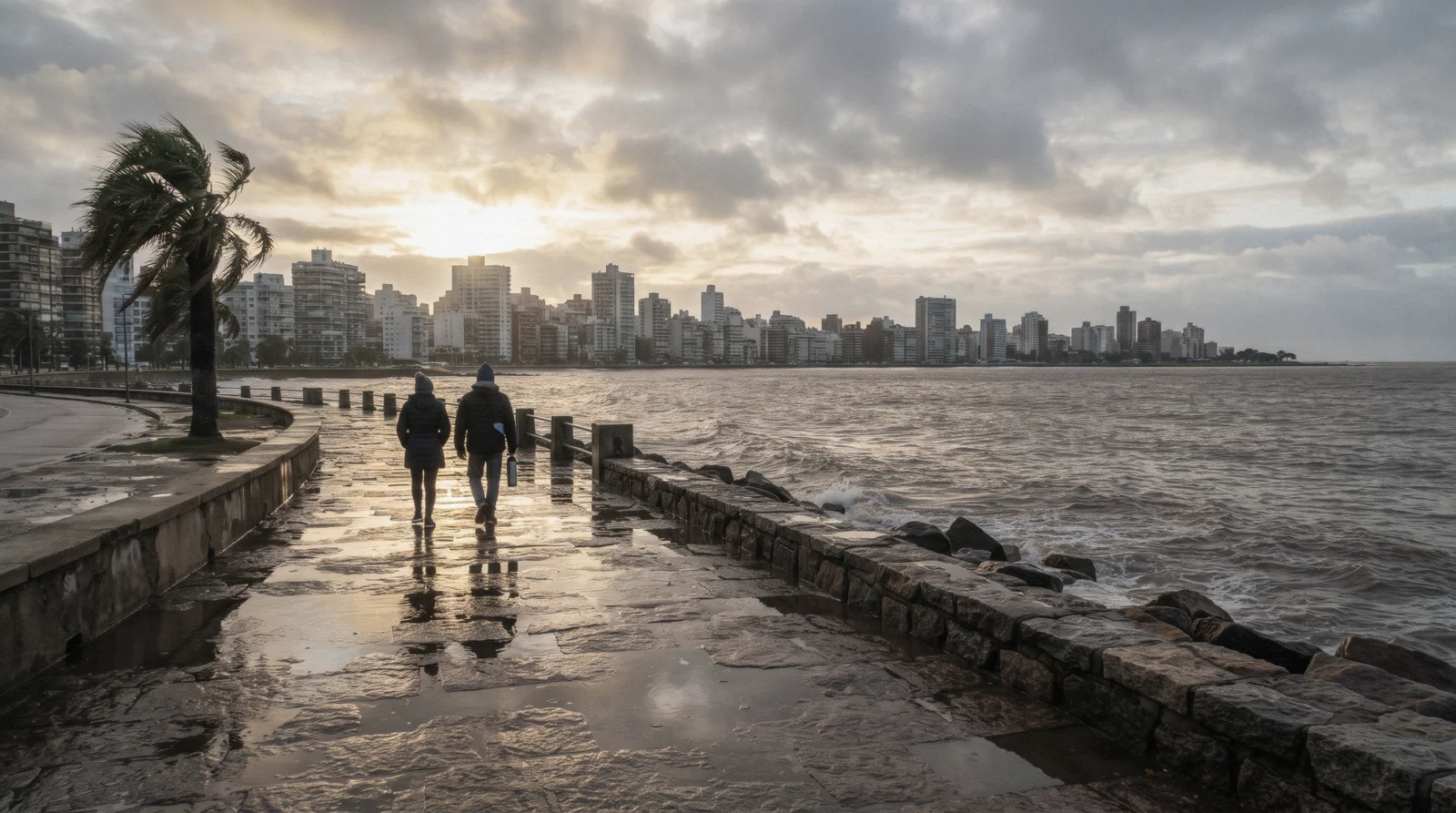
- Wind is stronger on the open coast, and the Rambla catches it directly, so pack a windproof layer.
- Most tours in Montevideo run in any weather, from bus circuits to museums.
Montevideo Weather by Month
These are INUMET's official 1991-2020 climate normals for the Prado station inside the city: the average daily high and low for each month, with rainfall. They are thirty-year averages, not a forecast, so a given week can run well above or below them.
July is the coldest month at an average high of 14.7 C, January the warmest at 27.8 C, and no month gets fewer than 83 mm of rain or more than 111 mm, which is why the best time to visit Montevideo comes down to temperature and the calendar.
Montevideo Weather Month by Month
This table sets each month's average high and low, rainfall and days with at least 1 mm of rain at the Prado station against the sunshine hours measured at Carrasco on the coast, all from INUMET's 1991-2020 normals.
| Month | High / low | Rain | Rain days | Sunshine |
|---|---|---|---|---|
| January | 27.8 C / 18.8 C | 95 mm | 6 | 287.0 h |
| February | 27.0 C / 18.6 C | 94 mm | 6 | 233.9 h |
| March | 25.3 C / 17.1 C | 106 mm | 6 | 224.2 h |
| April | 22.0 C / 14.1 C | 111 mm | 7 | 183.6 h |
| May | 18.5 C / 11.0 C | 83 mm | 6 | 159.1 h |
| June | 15.6 C / 8.2 C | 89 mm | 7 | 131.5 h |
| July | 14.7 C / 7.3 C | 93 mm | 6 | 148.3 h |
| August | 16.7 C / 8.5 C | 90 mm | 7 | 165.2 h |
| September | 17.9 C / 9.8 C | 92 mm | 7 | 187.7 h |
| October | 20.7 C / 12.4 C | 102 mm | 7 | 207.3 h |
| November | 23.7 C / 14.7 C | 96 mm | 7 | 245.8 h |
| December | 26.4 C / 17.1 C | 91 mm | 7 | 273.7 h |
Over a year that adds up to 1,142.7 mm on 79 rain days at Prado and 2,447.3 sunshine hours at Carrasco. The hottest reading of the period was 38.7 C in January, the coldest -2.7 C in July.
Montevideo Weather Season by Season
Uruguay sits in the southern hemisphere, so summer runs December to March and winter runs June to August. The city's tourism office describes the general range as 7-27 C over the year. The monthly highs, lows and rain in this section come from the INUMET 1991-2020 normals at the Prado station.
Summer: December to March
Summer brings the warmest weather of the year. Average highs run 26.4 C in December, 27.8 C (82 F) in January and 27.0 C in February, with lows between 17.1 and 18.8 C. The absolute maximum of the whole 1991-2020 period was 38.7 C (102 F), recorded in January. This is the season when most tourists arrive, and the beaches are the main draw, with most of them certified ISO 14001 for management.
Carnaval runs from the end of January to mid-March, and the sunniest months fall here too, with Carrasco recording 287.0 sunshine hours in January against 131.5 in June.
Autumn: April to June
Autumn cools steadily. The city's tourism office puts the season at around 18 C (64 F), and the station numbers agree: the mean temperature falls from 18.1 C in April to 11.9 C in June. Average highs drop from 22.0 C in April to 15.6 C in June, and lows from 14.1 C to 8.2 C. April is the wettest month of the year at 111 mm, falling on 7 days, while May is the driest at 83 mm on 6 days.
Pack a jacket for evenings and expect the light to fade early by June.
Winter: June to August
July is the coldest month, with an average high of 14.7 C (58 F) and a low of 7.3 C (45 F). The lowest temperature of the whole 1991-2020 period was -2.7 C (27 F), in July, so a frost is possible. Humidity is highest in June at 82% in the 1961-1990 normals, and sunshine is scarce, with Carrasco recording only 131.5 hours in June.
The city's tourism office points visitors indoors for the season, to bars, theatre, museums and cinema. Two good indoor picks are Teatro Solis, which opened in 1856, and the Museo Andes 1972 in the Old Town.
Spring: September to November
Spring warms the city back up, and the tourism office again describes it as around 18 C (64 F). Average highs climb from 17.9 C in September to 20.7 C in October and 23.7 C in November, with lows from 9.8 C to 14.7 C. Rain stays steady at 7 days a month in September, October and November, between 92 and 102 mm. This is a good season for outdoor plans that do not need beach heat.
The tourism office suggests the Sunday Tristan Narvaja fair and the Prado parks. The fair has its own section on our page about shopping in Montevideo.
Source: INUMET climate normals, Descubri Montevideo.
Rain, Wind and Humidity: What They Mean on the Ground
Three numbers shape a day here more than the temperature: how many days it rains, how hard the wind blows on the water, and how damp the air is. None of them should stop a visit, but they change what you pack and how you plan the walk along the river.
There Is No Rainy Season
Rain is spread almost evenly through the year. Every month sees 6 or 7 days with 1 mm or more of rain, adding up to 79 days a year and 1,142.7 mm. April is the wettest month at 111 mm and May the driest at 83 mm, a difference of just 28 mm between the extremes.
Practically, this means there is no dry month to plan around and no wet month to avoid. Instead of dodging rain, plan your trip around temperature and the city's calendar, and keep one indoor option ready for each day.
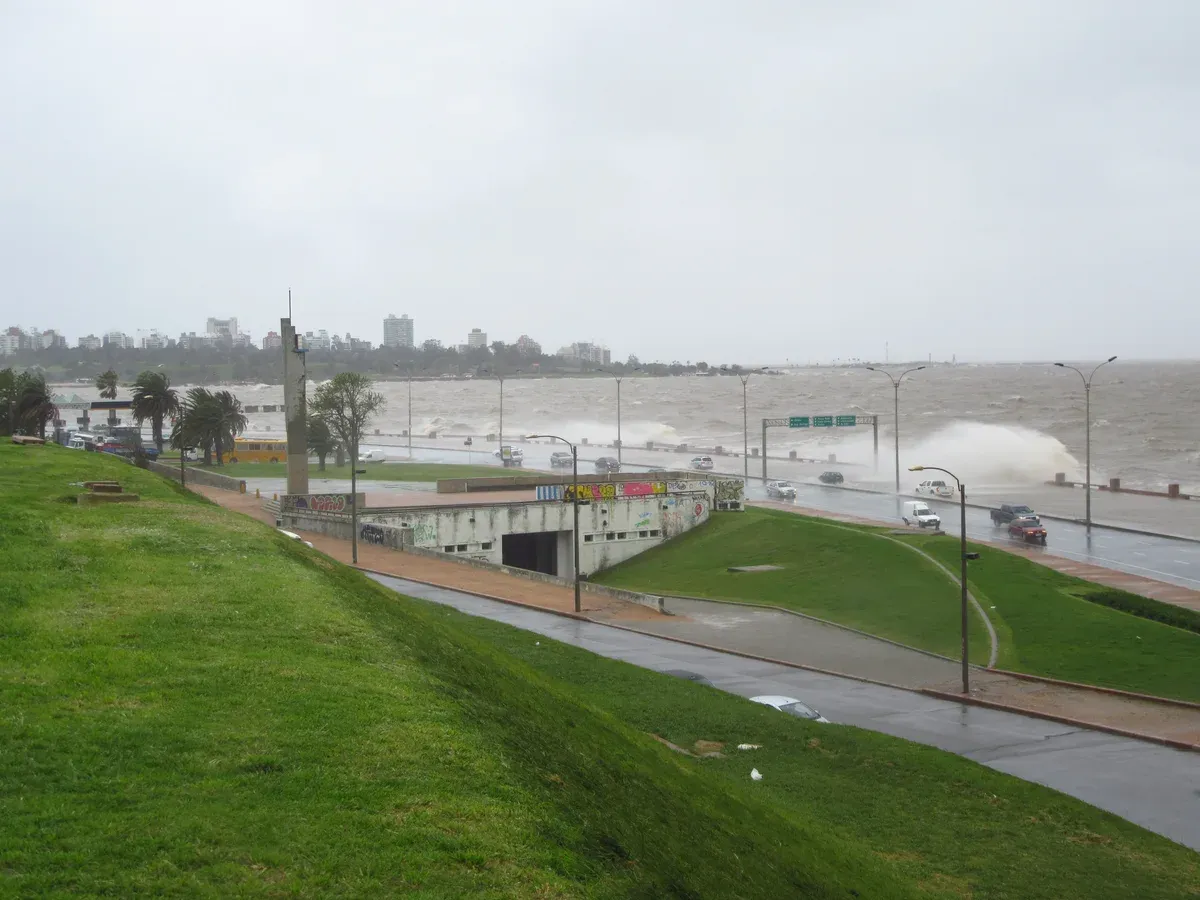
A storm on 25 December 2016 throws the Rio de la Plata over the Rambla Republica Argentina below the Cementerio Central. Photo: Felipe Restrepo Acosta, CC BY-SA 4.0, via Wikimedia Commons
Wind on the Open Coast
Montevideo is windier by the sea than inland. In the 1961-1990 normals, the Prado station in the city averaged 3.7 m/s over the year, while Carrasco on the open coast by the airport averaged 5.7 m/s, with monthly means from 5.2 to 6.1 m/s. The difference matters because the Rambla runs along the open water, exposed to whatever the Rio de la Plata sends.
A walk that feels calm near the Old Town can feel sharp at the beach end. The airport side of the city is the windiest, so if you land at Carrasco International Airport on a blowy day, expect it on the transfer into town. A windproof layer is the single most useful item in a bag here.
Damp Winters, Not Frozen Ones
Winter here is cold-and-damp rather than cold-and-frozen. Relative humidity peaks in June at 82% in the 1961-1990 normals, with July close behind at 80%, and the annual average is 74%. Snow is a curiosity: flurries have been recorded only four times, never settling, and the last occasion was 13 July 1930, during the opening match of the first World Cup at what is now Estadio Centenario.
Pack warm layers and something water resistant rather than a heavy winter coat. June has the least sunshine of the year, 131.5 hours at Carrasco, so plan indoor stops between walks.
Source: INUMET climate normals, Wikipedia: Montevideo.
Best Time to Visit Montevideo
There is no rainy season to dodge, so the best time to visit Montevideo depends on what you want: beach heat, drum parades, comfortable walking weather, or the dates a cruise or a ferry from Buenos Aires hands you. Each case has a clear answer.
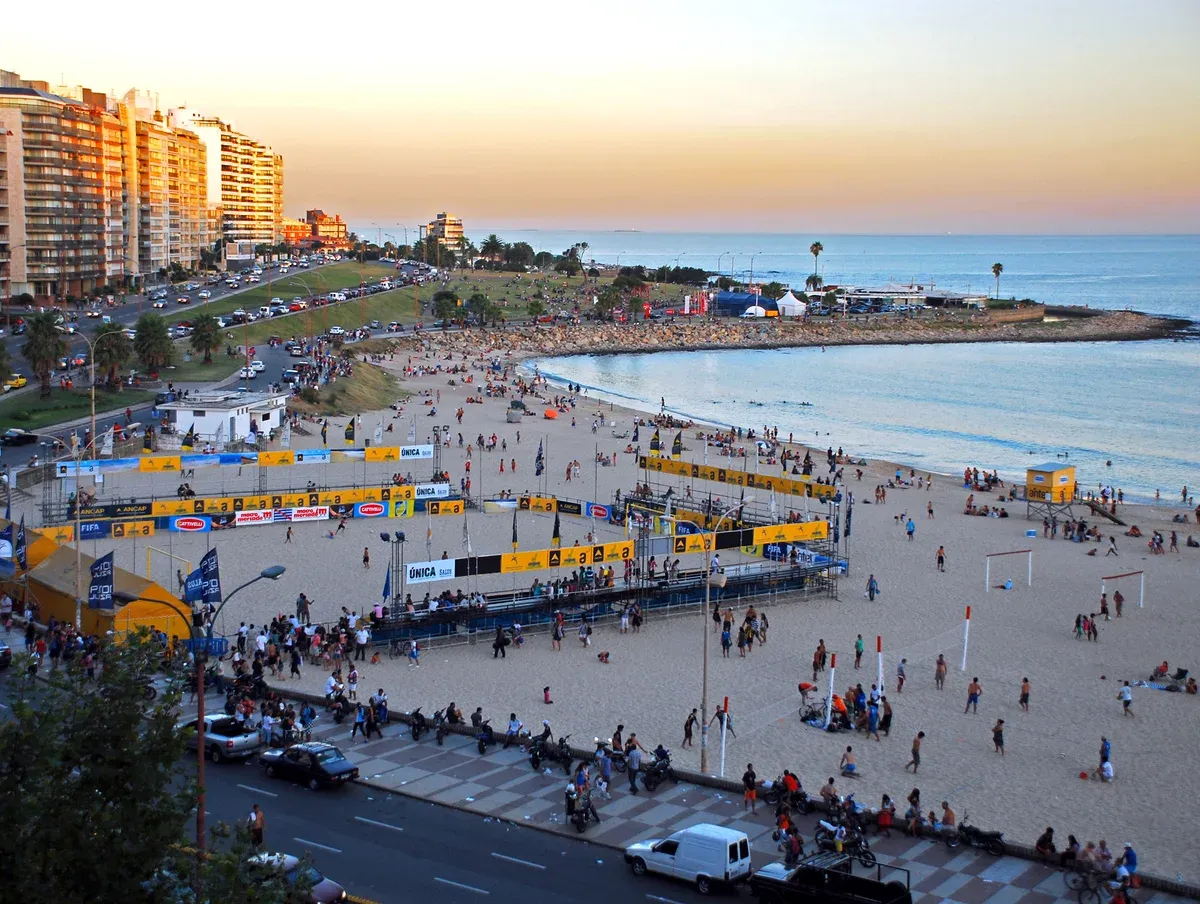
Playa Pocitos at sunset in February, the middle of beach season. Photo: Andrés Franchi Ugart…, CC BY-SA 3.0, via Wikimedia Commons
For Beaches and Long Evenings
December to March is beach season, with average highs of 26.4 to 27.8 C (82 F) and lows around 17 to 19 C. This is when most tourists arrive and when the city's beaches, most of them ISO 14001 certified, are at their best. Days are long, with Carrasco recording 273.7 to 287.0 sunshine hours in December and January. The beaches of Montevideo stretch east along the Rambla, and Pocitos is the easiest to reach from the centre.
Book accommodation early, since summer is the peak.
For Carnaval and Candombe
Montevideo calls its Carnaval the longest in the world, running from the end of January to mid-March. The Desfile Inaugural opens it on the last Thursday of January, and the Llamadas parade follows on the first Thursday and first Friday of February. Neighbourhood stages called tablados run through the season, and the official contest at the Teatro de Verano gathers murgas, parodistas, humoristas, revistas and comparsas.
The drum calls do not stop when Carnaval ends: every Sunday and many holidays, candombe llamadas fill the Sur, Palermo and Cordon districts, a practice UNESCO inscribed in 2009. Read the full calendar on our Carnaval in Uruguay page and more on candombe.
For Walking the City Without the Heat
Spring and autumn both sit around 18 C (64 F), which is comfortable walking temperature. Autumn cools from a 22.0 C high in April to 15.6 C in June, and spring warms from 17.9 C in September to 23.7 C in November. Both seasons keep the steady 6 or 7 rainy days a month, so carry a light rain layer.
These are the best months for long walks through Ciudad Vieja, the Rambla and the parks, and there is far more to see on our things to do in Montevideo page.
For a Cruise Call or a Day From Buenos Aires
Cruise ships dock at the port during the summer, right beside Ciudad Vieja, so a call gives you the Old Town, the Mercado del Puerto and Plaza Independencia on foot. See our cruise port page for what fits in a day. From Buenos Aires, the Buquebus ferry crossing takes a little over two hours, which makes a same-day or overnight trip realistic, as our Buenos Aires to Montevideo guide explains.
Once ashore, the hop-on hop-off bus tour covers both circuits with a 24-hour ticket, a good fit on a short call, and the small-group bike tour with picnic starts a 10 minute walk from the port.
Source: Descubri Montevideo: Carnaval, UNESCO: Candombe, Descubri Montevideo: by boat.
What to Pack for Montevideo Weather
Do
- Pack for the season you booked: summer highs reach 27.8 C (82 F) in January, while July tops out at 14.7 C (58 F).
- Bring a windproof layer for the Rambla and the beach end of town, where Carrasco averages 5.7 m/s of wind against 3.7 m/s at Prado.
- Carry a light rain jacket all year, since every month brings 6 or 7 days with rain of 1 mm or more.
- In winter, pack warm layers and something water resistant, for the 82% June humidity rather than the cold, which only once reached -2.7 C (27 F).
- Pack sun protection for December to March, when Carrasco logs up to 287.0 sunshine hours a month.
Don't
- Do not pack for snow, which has flurried only four times in the city's record and never settled.
- Do not plan around a rainy season, because April's 111 mm and May's 83 mm are barely different.
- Do not leave hotel bookings late for December to March, the months when most tourists arrive.
- Do not skip museums on a wet day, though remember many close on Mondays.
Checking the Forecast Before You Go
Averages tell you what to pack. A forecast tells you what tomorrow holds. INUMET publishes both, and its warnings are the ones that matter for storms and strong wind on the river.
The Official Forecast
INUMET is Uruguay's national meteorological institute and publishes the official forecast and weather warnings on its website at inumet.gub.uy. Check it the day before a Rambla walk, a beach afternoon or a ferry crossing, because wind matters as much as rain here. Keep in mind that the 1991-2020 averages on this page are climate normals, not forecasts.
A January average high of 27.8 C (82 F) does not promise that any single January day will be warm.
When the Weather Turns
A rainy day still leaves plenty. In the Old Town, the Museo Andes 1972 keeps you indoors for 45 to 90 minutes, and the Museo Andes 1972 admission ticket costs $8 with free cancellation up to 24 hours before. Mercado del Puerto puts you under cover among the grill restaurants, though hours follow each restaurant, so read the menu and signs on arrival. Teatro Solis sits beside Plaza Independencia, and in the evening the El Milongon dinner show runs about 3 hours of candombe, tango and folklore with a three-course dinner for $107, with hotel pickup from selected central hotels.
Source: INUMET.
Bookings That Work in Any Weather, and Two for Sunny Days
A museum ticket, a dinner show and the hop-on hop-off bus run whatever the sky does. The bike ride, the beach horse trail and the winery lunch are the ones to keep for a dry, calm day, so check the forecast before you book them.
 from $8
Museo Andes 1972 / Crash Memorial Admission Ticket
A low-cost $8 museum ticket honoring the 1972 Andes crash victims and survivors, not a guided excursion.
Check Availability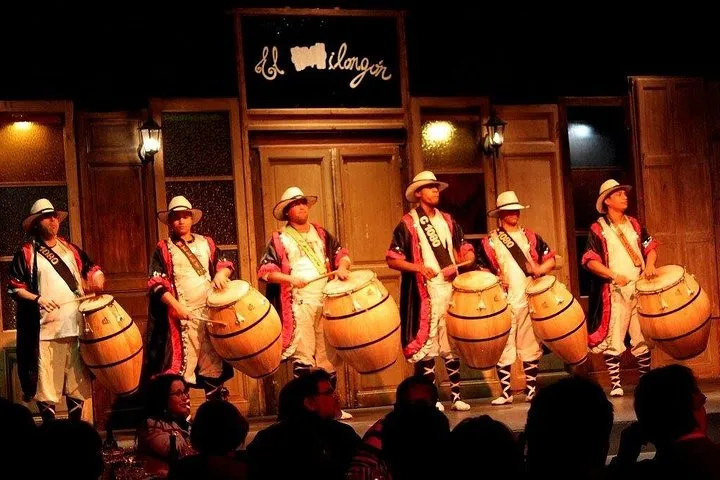 from $107
El Milongon Dinner & Show: Candombe, Tango and Folklore
An evening dinner show combining candombe, tango and folklore with a three-course meal and optional hotel transfers.
Check Availability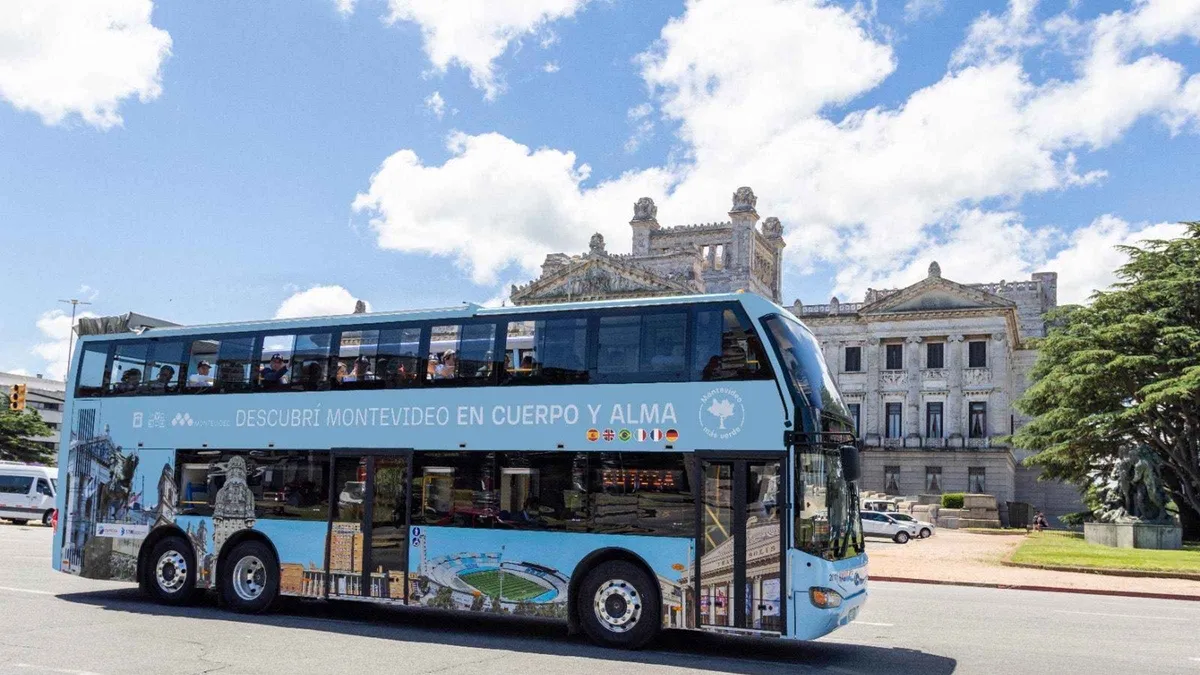 from $25
Montevideo: Sightseeing Hop-On Hop-Off Bus Tour
The cheapest city overview in Montevideo, a two-circuit 24-hour hop-on hop-off pass with audio guide for $25.
Check Availability from $55
Montevideo Small Group Bike Tour or E-bike tour with picnic
Small-group bike or e-bike ride through Ciudad Vieja and the Rambla with a picnic at the end, capped at 6 riders.
Check Availability from $40
Montevideo: Horseback riding on a trail to the Beach
A one-hour, beginner-friendly horse ride through forest and dunes to Zabala Beach in groups capped at 4 riders.
Check Availability from $25.70
Montevideo Bodega Santa Rosa : tour - Tasting - Lunch
A 2-3 hour winery tour with 4-wine tasting and a cold-cuts table from $25.70, wheelchair accessible, near Montevideo.
Check AvailabilityCard prices are the platforms' own listed US-dollar figures. Figures current {checked}.
Prices, ratings and details are the platform's own. Dollar figures are the listed prices. The platform bills in your account's currency.
Montevideo Weather Questions
What is the coldest month in Montevideo?
July. Its average high is 14.7 C (58 F) and its average low 7.3 C (45 F), the lowest monthly figures in the INUMET 1991-2020 normals. The lowest temperature recorded in the whole period was -2.7 C (27 F), in July, and the coldest monthly mean is 11.0 C. June and August are close behind, which is why the tourism office describes winter as the season for bars, theatre and museums.
What is the best month to visit Montevideo, Uruguay?
January for heat and atmosphere, with an average high of 27.8 C (82 F) and the year's most sunshine at 287.0 hours at Carrasco. March suits travellers who want beach weather with Carnaval still running until mid-March. April and November are the quiet picks, both close to the tourism office's walking figure of about 18 C (64 F). Rain barely differs between months, so pick by temperature and events rather than rainfall.
What is the weather like in Montevideo in December?
December opens the summer. The average high is 26.4 C and the low 17.1 C, with a monthly mean of 21.8 C. It is the second sunniest month, with 273.7 sunshine hours at Carrasco, and rain falls on 7 days totalling 91 mm. Beaches are open and the tourist season is starting, while Carnaval follows from the end of January. The absolute December maximum in the 1991-2020 period was 38.1 C.
What is the weather like in Montevideo in January?
January is the warmest month of the year. The average high is 27.8 C (82 F), the low 18.8 C and the mean 23.3 C. Sunshine peaks at 287.0 hours at Carrasco, and rain falls on 6 days totalling 95 mm, close to the annual norm. The absolute maximum for the whole 1991-2020 period, 38.7 C (102 F), was recorded in January. The Desfile Inaugural opens Carnaval on the last Thursday of the month.
What is the weather like in Montevideo in November?
November is late spring, warming fast. The average high is 23.7 C, the low 14.7 C and the monthly mean 19.2 C. Sunshine reaches 245.8 hours at Carrasco, second only to the summer months, and rain falls on 7 days totalling 96 mm. It suits walking plans that do not need beach heat, such as the Tristan Narvaja fair and the Prado parks, with long evenings ahead of the December peak.
Does it snow in Montevideo?
Almost never. Snow flurries have been recorded only four times, and none ever settled on the ground. The last occasion was 13 July 1930, during the opening match of the first World Cup. Winter days instead hover around a July high of 14.7 C (58 F) with high humidity of 80% in that month, so pack warm, damp-resistant layers rather than snow gear.
Is Montevideo an expensive city?
For a visitor the card decides it more than the price tags. INE survey data puts mean household disposable income in Montevideo at UYU 120,938 a month ($3,000.47), above the national figure, and consumer prices rose 4.87% over the latest 12 months. Visitors can cut costs sharply: hotels charge 0% VAT to non-residents showing a foreign ID, and card payments take 9 percentage points off VAT in restaurants until 30 April 2027. Our Montevideo cost of living page sets out the details.
Montevideo in Fog, Rain and Sun
Three street-level walks through the city in different weather.
Montevideo Fog Walk 4K: Plaza Independencia and Teatro Solís
Plaza Independencia and Teatro Solís in thick fog, the damp grey side of a Montevideo winter.
Video: Global City Walks 4KMontevideo bajo la lluvia: un paseo distinto
A walk through the city in steady rain, the kind that falls on 6 or 7 days in any month.
Video: Por la ciudad a PieSunset Walk in Punta Carretas and Surroundings
A clear evening along the water at Punta Carretas, where the coast catches the light and the wind.
Video: STREETVIBESWe may earn a commission if you book through one of our links, at no extra cost to you. Full affiliate disclosure