 Montevideo City Guide
Uruguayan Food: Chivito, Asado and What to Order in Montevideo
Uruguayan food is built on beef, Italian pasta and the stews the Spanish settlers brought, served in a country that ate 101.5 kg of meat per person in 2025, by the count of the national meat institute INAC. This page gives you the dishes you will actually meet: the chivito and the asado, the quick minutas and empanadas, the pasta and pizza of the Italian legacy, dulce de leche sweets, and what people drink. It also tells you where in Montevideo to eat and how the bill works for foreign visitors. For a wider view of the city, see the things to do in Montevideo.
Quick answer The national dish, the grill, what to drink and the bill
The chivito is the national dish, a beef sandwich in a bun with fries, and Uruguayans ate 50.2 kg of beef per person in 2025. The other pillar is the asado, meat grilled slowly over wood embers. Italian immigration left pasta, pizza and fainá. Dulce de leche rules the desserts and mate is the national drink.
Key takeaways
- The chivito was born in 1946 at El Mejillón Bar in Punta del Este, when a customer asked for kid goat and the owner used beef fillet instead.
- Grill counters at Mercado del Puerto serve parrillada all day, and the city tour that ends with lunch there costs $25.
- Paying by card takes 9 VAT points off restaurant bills until 30 April 2027 and a 10% tip is customary, see Uruguayan money.
- The street food walk with five tastings costs $62.91, and our Montevideo restaurant guide covers sit-down options.
Chivito: Uruguay's National Dish
If you order one thing in Montevideo, order this. The city tourism site calls the chivito, with griddled beef as its main element, the favourite fast food of the country.
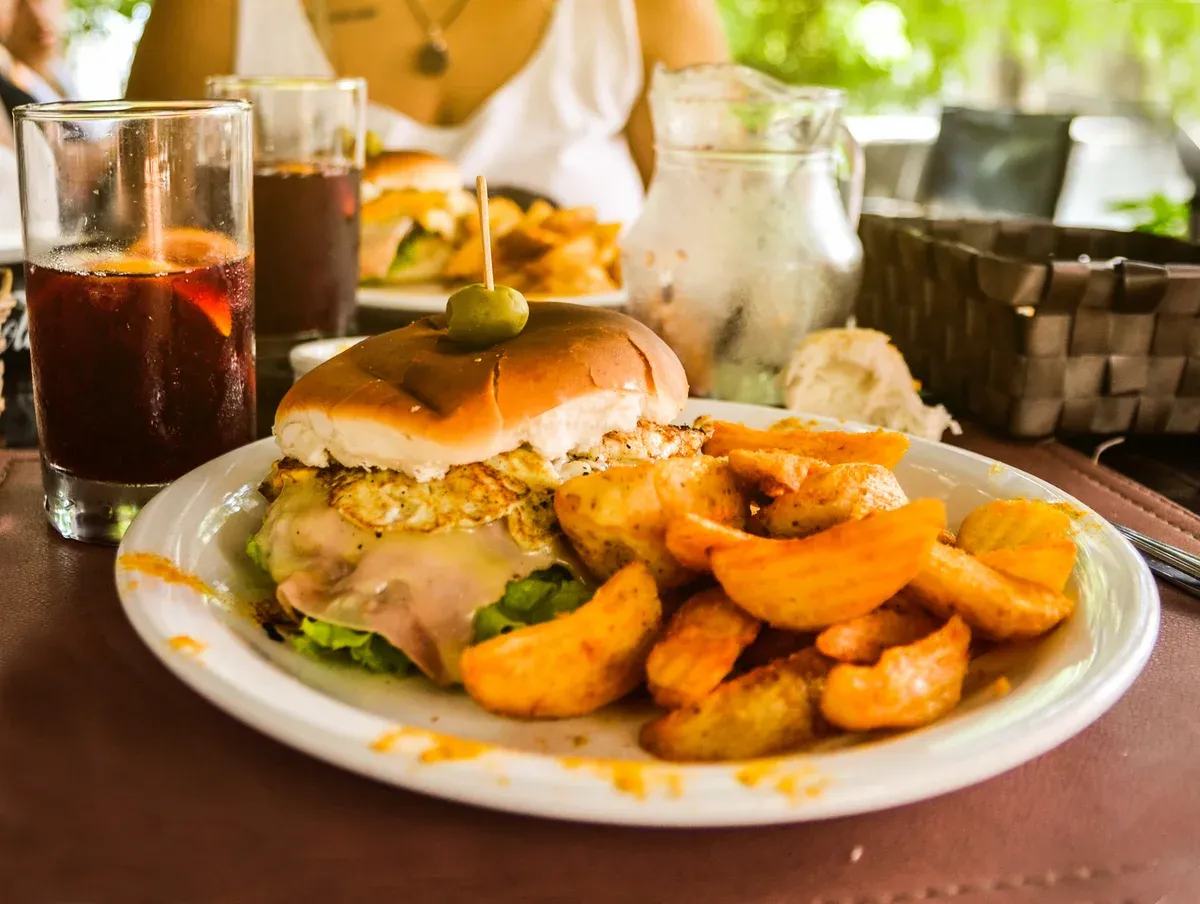
A chivito canadiense with fried egg, ham, cheese and lettuce in a bun, served with potatoes. Photo: TitiNicola, CC BY-SA 4.0, via Wikimedia Commons
What Goes in a Chivito
A chivito is a sandwich of sliced beefsteak (churrasco) with mozzarella, ham, tomato, mustard, mayonnaise, olives, commonly bacon and a fried or hard-boiled egg, all in a bun, with French fries served alongside. It is a big plate, not a snack. The name means kid goat, a diminutive of chivo, and there is no goat in it.
Every chivitería in Montevideo has its own version, and prices are not published on official pages, so expect anything from a cheap counter sandwich to a full sit-down platter. Order it medium and eat it with a knife and fork if the stack defeats you.
How the Chivito Was Born in 1946
The reported origin is El Mejillón Bar in Punta del Este in 1946. The owner, Antonio Carbonaro, was asked by a customer from northern Argentina for a chivito, meaning kid goat meat. There was none, so Carbonaro used beef fillet instead.
The improvised sandwich stuck and spread across the country until it became the national dish. Punta del Este is a short trip from Montevideo and food lovers sometimes make the pilgrimage, though you do not need to. Any chivitería in the capital serves the same idea, and the city's official tourism site now lists chiviterías among its market stalls, including one at Mercado del Prado.
Al Pan, Al Plato or Canadiense
There are three forms to know. Chivito al pan is the standard sandwich in a bun. Chivito al plato is the platter version: the same beef and toppings served on a plate with fries, no bread.
Chivito canadiense adds panceta, the cured pork belly. To order, decide first whether you want bread or a plate, then whether you can handle the egg and bacon stack. The city tourism site calls the chivito the country's favourite fast food, which means it is quick, filling and available late.
Our pick for a first visit is the plain chivito al pan: the canadiense piles more pork on an already tall stack. See our Montevideo restaurant guide for where to sit down with one.
Source: Wikipedia, Chivito), Descubrí Montevideo.
Asado Uruguay: How the Grill Works
Asado is both the meal and the technique, and it explains why Uruguay eats 101.5 kg of meat per person a year, of which 50.2 kg is beef according to the national meat institute INAC.
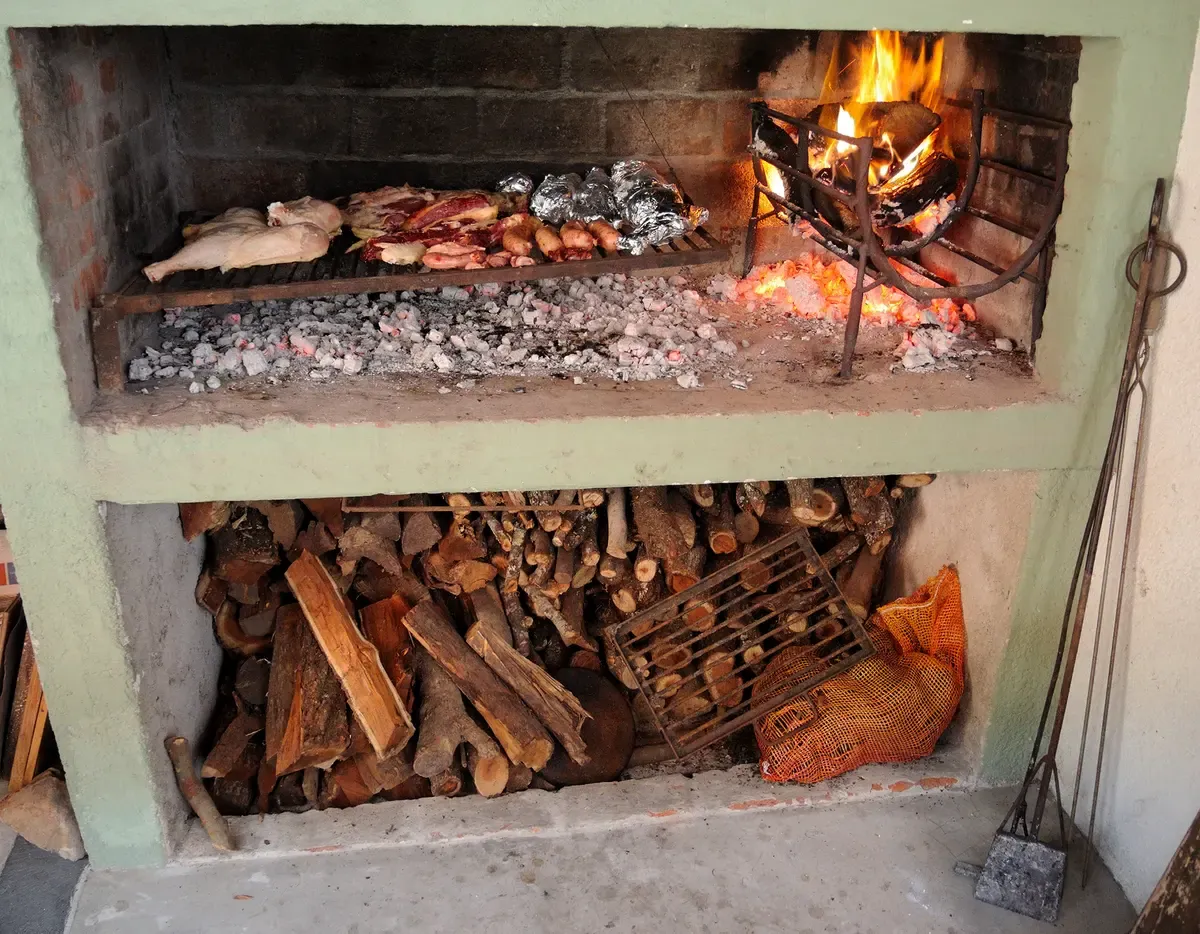
A parrillero as built in many Uruguayan homes: the grill above, the fire at the side and the woodpile below. Photo: Fedaro, CC BY-SA 3.0, via Wikimedia Commons
The Parrilla and the Asador
Many Uruguayan homes have an asador grill of iron and brick, at least two metres by one, with a chimney and a firewood box. Embers from the burning firewood are raked under the grill, and the meat cooks slowly over that wood heat rather than direct flames. The cook is also called the asador.
A typical asado takes one to two hours to do properly, so it is an event, not a quick dinner. In Montevideo the market grill stations work the same way: you walk up, order your cuts at the bar and eat them there, often with a lager at lunch. Street vendors grill on half-drum grills called medio tanque, which is where the choripán culture lives.
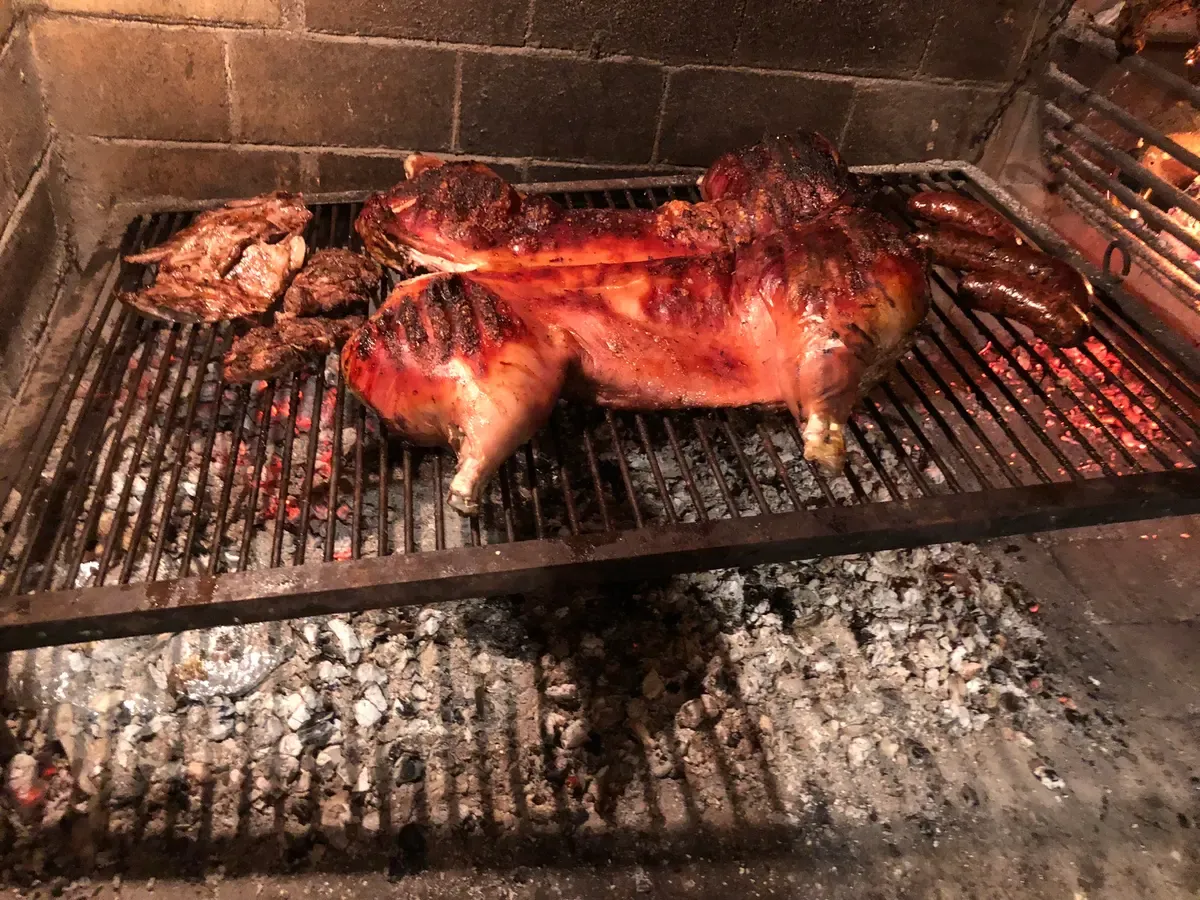
Suckling pig, beef and chorizos over embers on a parrilla in Montevideo. Photo: Fadesga, CC BY-SA 4.0, via Wikimedia Commons
The Cuts to Order
A complete asado runs from chorizo and morcilla through pulpón, entraña and tira de asado, with achuras (offal) such as chinchulines, gizzards, chotos and kidneys. Tira de asado is the rib strip and the safest first order. Entraña is the thin skirt steak that cooks fast and stays tender.
Vacío, the flank, is chewier and full of flavour, and the city tourism site names it with entraña and achuras as the grill's staples. The morcilla deserves a note: the sweet version, filled with raisins, orange and chocolate, comes from the Canary Islands influence the city tourism site traces in Uruguayan cooking. A meal is often preceded by a picada of Colonia cheese, olives, longaniza, salami and peanuts, with vermouth or medio y medio as the aperitif.
Chimichurri, Salsa Criolla and Mojo
Three sauces appear at the grill. Chimichurri is parsley, garlic, oregano, red pepper flakes, paprika, oil, vinegar and salt. Salsa criolla is finely chopped raw tomato and onion with oil and salt, closer to a relish.
Mojo, made of garlic, oil, parsley, oregano, paprika and water, is brushed onto the meat during grilling rather than served after. The standard side salad is tomato, lettuce and onion dressed with oil, vinegar, garlic and oregano, and it is usually just called ensalada mixta. Papas al plomo, potatoes cooked simply, round out the plate.
None of this is hot by northern standards, which surprises visitors who expect Latin American food to burn.
Source: INAC, Consumo de carnes 2025, Wikipedia, Uruguayan cuisine.
Uruguayan Dishes at a Glance
Ten dishes cover most menus in Montevideo. The table compares each one, what it actually is, and where in the city you are most likely to meet it, drawn from the city tourism site and the descriptions above.
| Dish | What it is | Where you meet it | Our tip |
|---|---|---|---|
| Chivito | Beef sandwich with cheese, ham, egg and bacon in a bun, or al plato on a plate with fries | Chiviterías everywhere, Mercado Williman and Mercado del Prado | Start with the plain chivito al pan, the canadiense adds panceta |
| Asado | Meat grilled slowly over wood embers on a parrilla | Mercado del Puerto grill counters and market grill bars | Order tira de asado as your first cut |
| Choripán | Grilled chorizo split into a crusty bun | Street carts and market stalls | Add salsa criolla, not just chimichurri |
| Milanesa | Thin breaded cutlet of veal, chicken or fish | Bistros and lunch menus across the centre | A la napolitana if you want it covered in sauce and cheese |
| Empanadas | Baked turnovers with meat, chicken or ham and corn | Everywhere, and on the street food walk | Try one carne dulce with raisins and one salada with olives |
| Pizza and fainá | Pizza often baked on the grill, served with a thin chickpea-flour fainá | Pizzerias and bar kitchens | Order pizza a caballo with the fainá on top |
| Ñoquis | Gnocchi with tuco sauce, eaten on the 29th of every month | Pasta restaurants and home kitchens on the 29th | Go on the 29th to see the custom in action |
| Pascualina | Spinach and egg pie from the Italian legacy | Bakeries and lunch counters | Good vegetarian option in a meat-heavy city |
| Chajá | Meringue, sponge cake, double cream and peach or strawberry, created in Paysandú in 1927 | Pastry shops and dessert menus | Share one, it is a tall cake |
| Tortas fritas | Fried sugared dough rounds with a hole in the middle | Street stalls and breakfast tables, with mate | Eat them warm with a round of mate |
Use it to plan an order before you sit down, because Uruguayan portions are large and it is easy to over-order on a first night.
Minutas: Milanesa, Choripán, Empanadas and Panchos
Minutas are the quick plates of Uruguayan eating, the food between the Sunday asado and the weekday lunch.
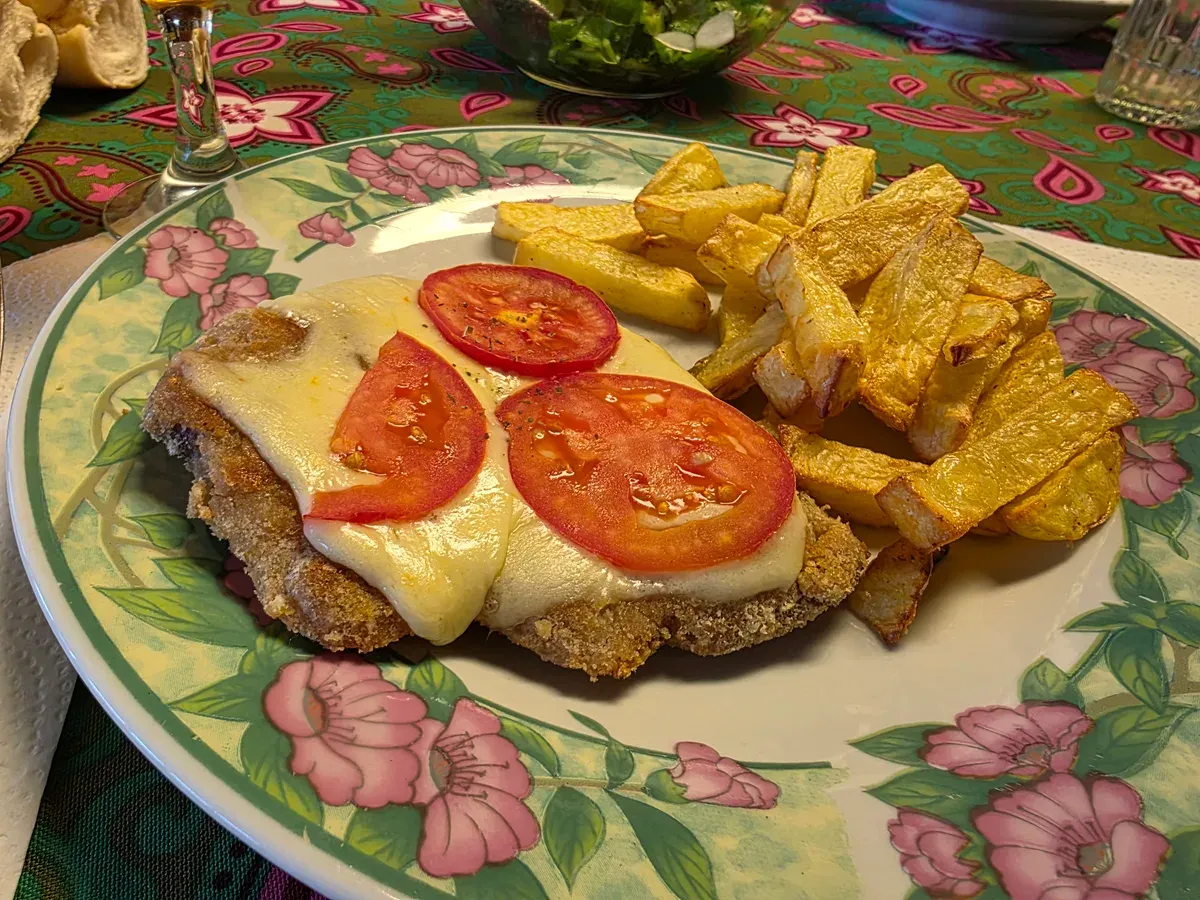
A milanesa a la napolitana with chips, the way the Río de la Plata serves it. Photo: Horacio Cambeiro, CC BY 3.0, via Wikimedia Commons
Milanesa
A milanesa is a thin breaded cutlet of veal, chicken or fish, fried and served hot. Three versions matter. A la napolitana is topped with tomato sauce, ham and mozzarella, which turns it into a full meal.
A caballo comes with fried eggs on top. Al pan means it is served as a sandwich, the refuerzo the city tourism site counts among the minutas. A good milanesa should hang over the edge of the plate, and it almost always does.
It is the cheapest filling plate on most menus and a safe order in any bar kitchen. Children eat it, workers eat it and visitors should too.
Choripán and Panchos
A choripán is a grilled chorizo split lengthwise in a crusty bun, the simplest and best thing at any grill station. It is street food, so look for the carts and market stalls rather than a restaurant. Panchos are frankfurters, brought to Uruguay by German immigrants along with mustard, which is why the mustard on Uruguayan street carts is taken seriously.
Both get dressed from street dispensers, including picantina, the spicy mustard or mayonnaise that is the one genuinely hot thing in the local repertoire. A choripán at a market with a lager is a complete and cheap lunch, and it leaves room for dessert.
Empanadas
Uruguayan empanadas are usually baked, not fried, which makes them lighter than the Argentine fried style. The classic filling is carne, ground meat with boiled egg and onion, ordered either dulce (with raisins) or salada (with olives), and you should try both to find your preference. Other standard fillings are pollo and jamón y choclo, ham with sweetcorn.
Bakeries sell them by the unit all day and market stalls sell them by the bag. The street food walk includes empanadas among its five tastings, which is a good way to compare fillings with guidance. Two or three make a light lunch.
Sándwich Olímpico and Pamplona
The British accent in Uruguayan food shows up in sandwiches of soft crustless bread. The sándwich olímpico is three slices layered with ham, cheese, olives, tomato and lettuce, cut into small triangles and served cold. It appears at cafés and family lunches rather than late-night counters.
The pamplona, which the city tourism site calls a more recent addition, is rolled pork or chicken stuffed with cheese, pepper and olives, then roasted and sliced. It is a restaurant and home-oven dish, richer than it sounds, and it pairs well with a simple salad. Both show how many influences, British, Spanish and Italian, sit inside one national kitchen.
Pasta, Pizza and Fainá: The Italian Half
Ñoquis on the 29th
On the 29th of every month, Uruguayans eat ñoquis. The custom was brought by Veneto immigrants and is said to honour Saint Pantaleo. The city tourism site lists it among the Italian legacies in local cooking.
Restaurants run ñoquis specials on the day and families make them at home, often with tuco sauce, the local meat tomato sauce. The related sauce to know is salsa Caruso, a creamy sauce that usually accompanies capeletis. Turn up at a pasta house on the 29th and you will find the tradition working.
It is one of the easiest local customs for a visitor to join, because it needs no ticket and no language skill, only an appetite.
Pizza, Fainá and Pizza a Caballo
Uruguayan pizza comes in its own styles: pizza rellena (stuffed), pizza por metro (sold by the metre, good for groups) and pizza a la parrilla, baked on the grill, which gives a smokier base. With pizza comes fainá, a thin chickpea-flour bake that arrives alongside, and the local move is to order pizza a caballo, with the fainá served on top of the slice. Fugazza, descended from focaccia, is the onion-topped cousin.
The other Italian legacy the city tourism site names is pascualina, a spinach and egg pie sold in bakeries, useful when you want a vegetarian plate in a beef-first country. In Ciudad Vieja, the old bar Santa Catalina turns into a wood-oven pizzeria at night, listed by the city tourism site.
Pot Cooking: Puchero, Lentils and Mondongo
The city tourism site describes a cocina de olla, pot cooking inherited from Spain and Italy, that still fills winter menus. The list runs to lentil stews, matambre a la leche, tongue in vinaigrette, beans and mondongo, the tripe stew that divides rooms. Puchero is the boiled dinner that adds maize, squash and sweet potato to the pot, giving the dish a distinctly local colour.
These plates appear in traditional bar kitchens and family restaurants rather than market stalls, and they are weekday food, cheap and slow. If you visit in winter, when the city tourism site gives average temperatures between 6°C and 14°C, a puchero or lentil stew is the meal the weather asks for.
Dulce de Leche, Chajá and What Uruguayans Eat for Breakfast
Dulce de Leche Everywhere
Dulce de leche, a product of the Río de la Plata, is the population's favourite sweet according to the city tourism site. It turns up in ice cream, in panqueques de dulce de leche (crêpes folded around the spread), in cakes and in alfajores, the sandwich biscuits sold in every kiosk and bakery. Buy a box of alfajores as your souvenir instead of anything from a gift shop.
In an ice cream shop (heladería), dulce de leche is the flavour to try first. One caution: portions are generous and everything is rich, so pace your desserts across the trip rather than cramming them into one afternoon.
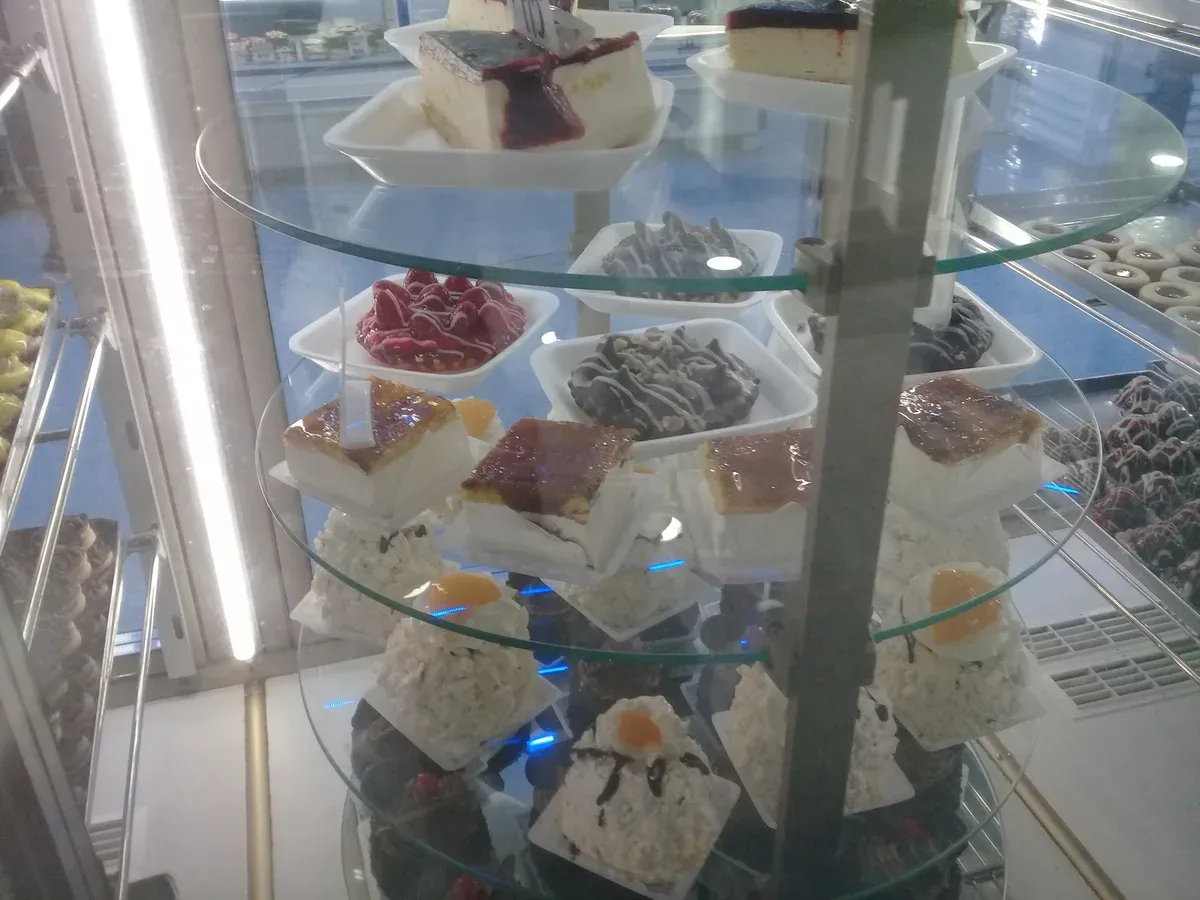
Massini, chajá and other Uruguayan cakes in a pastry-shop display case. Photo: Neurorebel, CC BY-SA 4.0, via Wikimedia Commons
Chajá
The chajá is Uruguay's best-known cake: meringue, sponge cake, double cream and peach or strawberry, with dulce de leche and chocolate versions. Orlando Castellano, owner of the Confitería Las Familias in Paysandú, fixed the recipe on 27 April 1927, standardising an older meringue-and-peach cake that families on both banks of the Río Uruguay baked for weddings and birthdays. It takes its name from the chajá, the large grey bird of the region's wetlands, and in 2018 the Tourism Ministry let it carry the Uruguay Natural country brand.
In Montevideo you meet it by the slice in pastry shops and on dessert menus. Order one to share after a light meal, since the cream and meringue make it heavier than it looks.
Breakfast: Bizcochos, Medialunas and Tortas Fritas
Breakfast in Uruguay is small and sweet, a pastry with coffee or mate rather than a cooked plate. Medialunas, the local croissants, are the most popular and come in butter and lard versions. Bizcochos are pastries with Germanic roots, sold by weight in bakeries, and they go with mate.
Tortas fritas are leavened fried rounds with a hole in the middle, sugared, fried in beef fat and eaten with mate. Hotel breakfasts will give you the international spread, so for the real thing walk to a panadería in the morning, point at what looks fresh and eat it standing up. So, what do Uruguayans eat for breakfast?
Medialunas, bizcochos and tortas fritas, with mate or coffee.
Source: Wikipedia, Chajá (Spanish)), Descubrí Montevideo.
What Uruguayans Drink
Mate
Mate is the national drink, drunk across all social classes, and people commonly walk the streets with gourd and thermos in hand. Uruguay has the highest per-capita yerba consumption in the world at about 8 kg per person per year. It is drunk hot and bitter from a gourd through a metal straw, water carried in a thermos, usually between 70 and 85 degrees and never boiling.
In a sharing round one server refills and passes the gourd in turn, and saying gracias when you hand it back means you are finished. Learn the etiquette before accepting. See how mate works in Uruguay for the full ritual.
Tannat and the Wineries
Tannat is Uruguay's distinctive, though not exclusive, grape, and the wine industry reconverted about 20 years ago around quality rather than volume, according to the city tourism site. You can taste it without leaving the city. The Bodega Santa Rosa tour and tasting costs $25.70 and includes a welcome drink, four wines and a table of homemade breads, cold cuts and cheeses, with a visit to what the winery calls the largest active underground cava on the continent. The Pizzorno winery lunch costs $115 and pairs a four-wine tasting with a 3-step lunch, for groups of up to 14 with hotel pickup (some options charge the tasting and lunch separately, so check the option). The VAT cut on registered winery tastings applies to foreign cards too.
Read more in our Uruguay wine guide.
Medio y Medio and Grappamiel
Medio y medio, the mix of sweet sparkling wine and dry white, was created at the Roldós bar in the Mercado del Puerto in the late 19th century and is still made and sold under the Roldós trademark. It is the classic aperitif before a parrillada, so order a bottle at the grill counters where it was invented. Grappamiel is the other local drink to know: grappa with honey and water, 20 to 25% alcohol, with a protected geographical indication in EU agreements.
It is served in bars and popular in winter, which suits the city's cooler months. Also on the typical list are caña and uvita, fortified wine with caña, the old-fashioned before-lunch pour.
Source: Wikipedia, Mercado del Puerto, Wikipedia, Grappamiel.
Where to Eat Uruguayan Food in Montevideo
The city's food concentrates in its market halls and its traditional bars, spread through Ciudad Vieja, Centro, Cordón, Palermo, Parque Rodó, Punta Carretas, Pocitos, Buceo and Carrasco according to the city tourism site. Start with the markets, and see our Montevideo attractions for what is nearby.
Mercado del Puerto
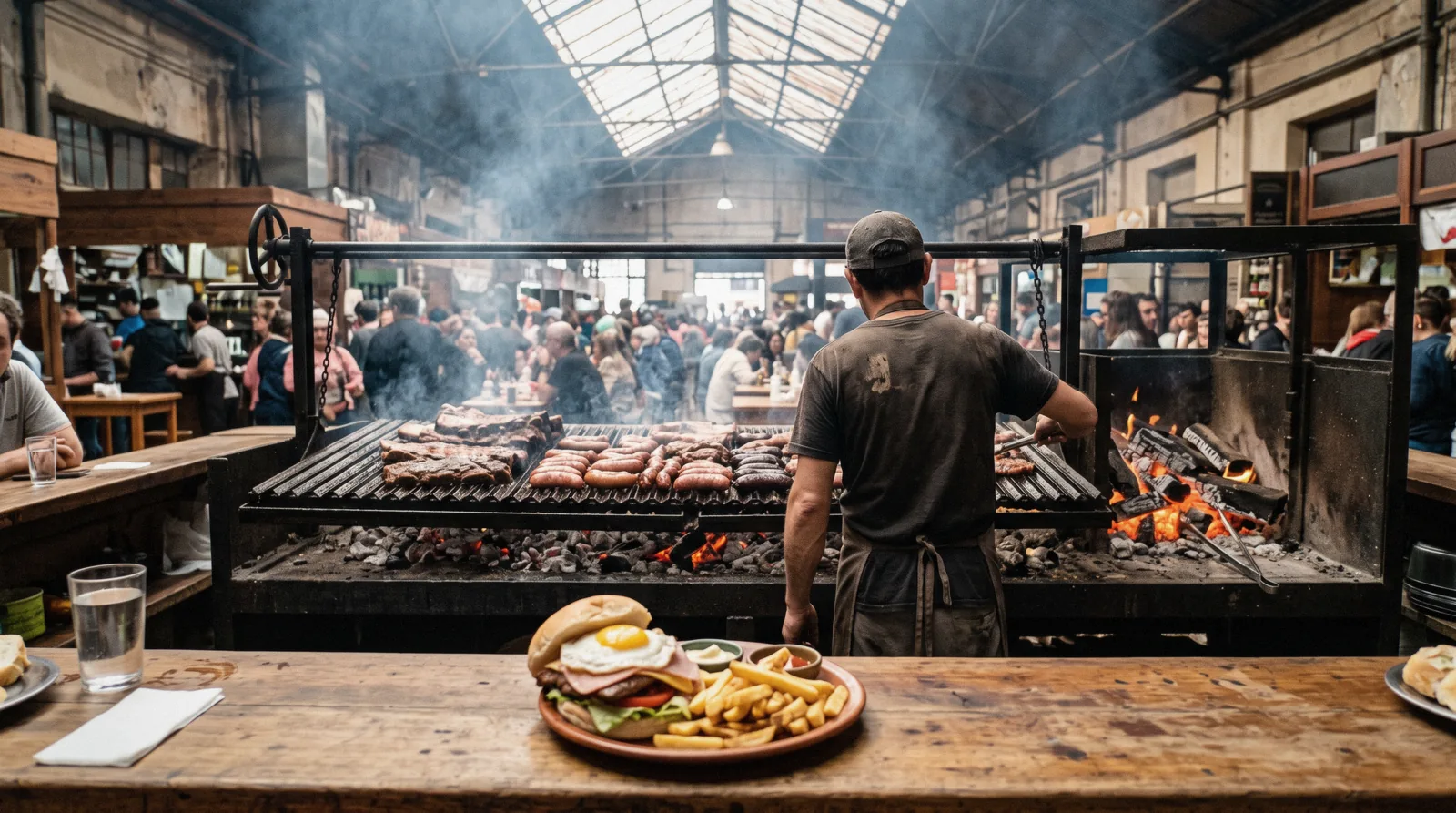
Mercado del Puerto is the 1868 iron hall by the old port, its structure made in Liverpool, converted into a restaurant hall from the 1970s and now focused on asado over open-fire parrillas. Grill counters serve parrillada, with fish, seafood, empanadas and craft beer also on offer. It is the single easiest place for a first-time visitor to eat Uruguayan food well, and it sits at the end of the Ciudad Vieja peninsula where cruise passengers and ferry arrivals already are.
Go at lunch, when the grills are lit and the hall is at its fullest. See our Mercado del Puerto guide, or take the half-day city tour that ends with lunch there, one of the Montevideo tours that fold a meal into the sightseeing.
Mercado Agrícola de Montevideo
The Mercado Agrícola de Montevideo, on José L. Terra 2220 in Goes, opened in 1913 as a wholesale produce market and reopened restored in 2013. It holds about 100 stalls plus a food court with typical Uruguayan dishes and crafts. Entry is free, all ages are welcome, there are four step-free entrances with ramps, accessible toilets and a vegan menu available, which makes it the most flexible food stop in the city.
It is the place to see ordinary Montevideans shopping and eating rather than a tourist performance. The cruise passengers' small-group tour stops here with about 30 minutes of free time, enough for a craft beer or coffee.
The Newer Food Halls
A newer generation of food halls spreads the same idea across the city. Mercado Ferrando, in an old 2,000 square metre furniture factory, holds about 18 food projects. Mercado Williman in Punta Carretas covers the trinity of grill, chivitos and pizzas.
Mercado del Prado includes a chivitería, so it counts as a serious chivito address. In Carrasco, the wealthy seaside suburb to the east, there are two: Obra Mercado Gastronómico and Mercado Arocena. All are listed by the city tourism site with full addresses.
Pick the one nearest your hotel rather than crossing the city, since each delivers the same basics. More sit-down options are in our Montevideo restaurant guide.
Source: Descubrí Montevideo, mercados gastronómicos, Descubrí Montevideo, MAM.
Paying the Bill: VAT Cut and Tips
The Card Discount and the Tip
Paying by card or e-money takes 9 percentage points off VAT at restaurants, bars and cafés until 30 April 2027 (Decreto 235/026). The discount applies to final consumers who pay with foreign-issued cards or e-money, or with electronic transfers from abroad, and it is taken off at payment, so you do nothing except use the right card. Small providers on the IVA Mínimo scheme give a 7.38% discount on the total instead.
The cut also covers hotel food service outside the room price, catering, car rental without driver and guided tastings at registered wineries. Tips are not obligatory but well regarded, and 10% is the usual amount. Carry both a foreign card and some cash, since market stalls vary.
See Uruguayan money and our Montevideo cost of living page for what meals cost day to day.
Source: IMPO, Decreto 235/026, Descubrí Montevideo, datos generales.
Food Tours, Tastings and Dinner Shows
Six cards serve a food-minded visitor. The street food walk covers tastings on foot, the city tour ends with a parrillada lunch, two winery trips pour Tannat country, the dinner show pairs eating with candombe and tango, and the cruise tour squeezes the markets into a port day. Figures current {checked}.
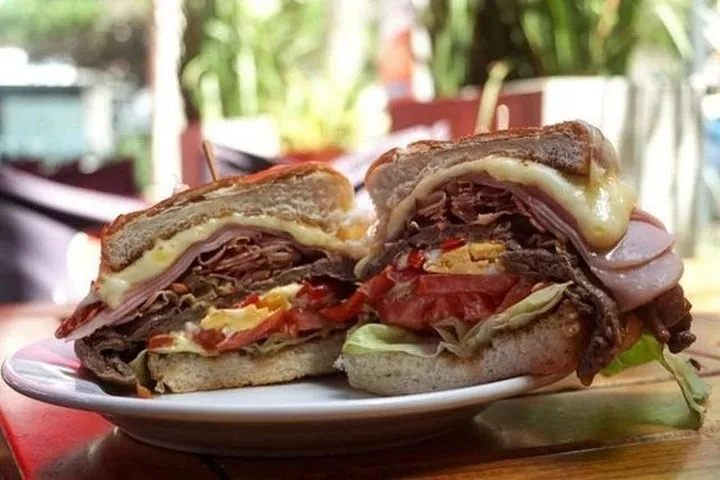 from $62.91
Best Montevideo Street Food Tour With 5 tastings
A 3 hour private food walk with 5 tastings including empanadas and mate tea, starting at FAUNA Montevideo.
Check Availability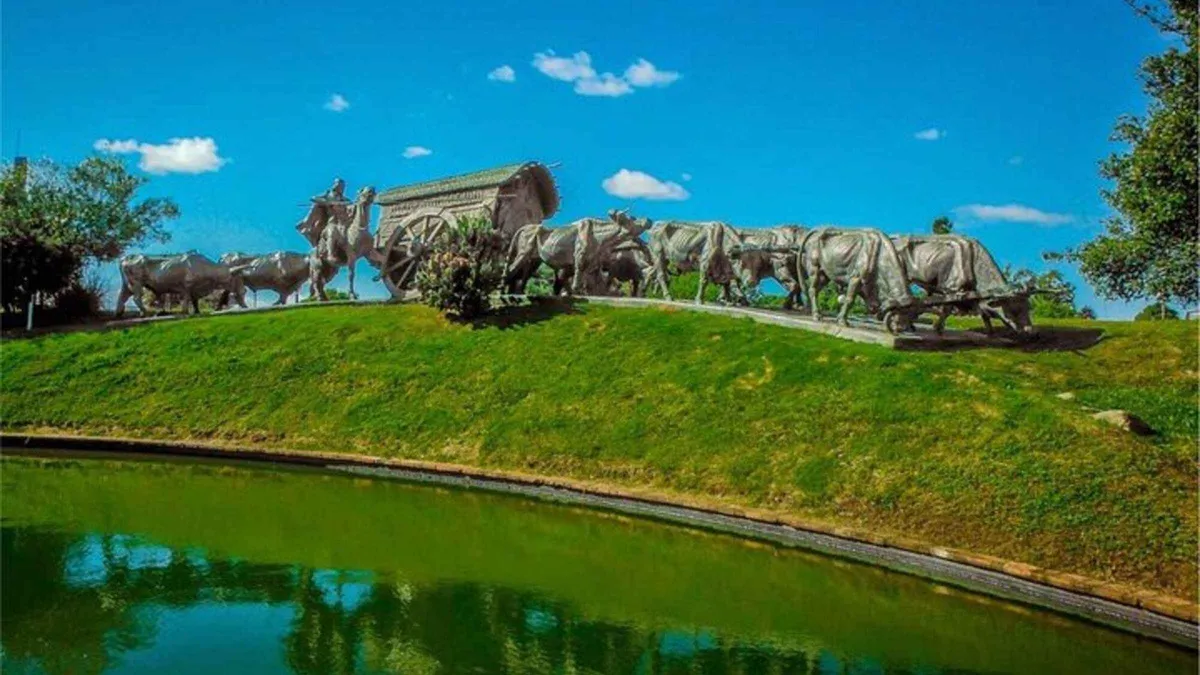 from $25
Montevideo: Half-Day City Tour with Live Guide
A short 3.5-hour overview of Montevideo's main sights with lunch included, from $25 per person.
Check Availability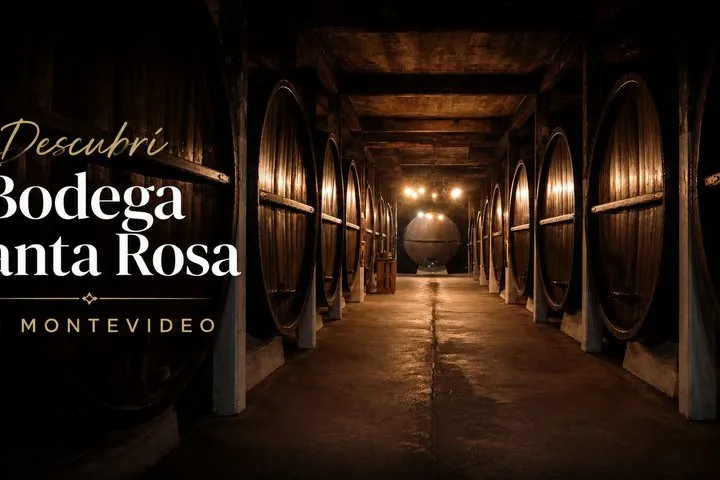 from $25.70
Montevideo Bodega Santa Rosa : tour - Tasting - Lunch
A 2-3 hour winery tour with 4-wine tasting and a cold-cuts table from $25.70, wheelchair accessible, near Montevideo.
Check Availability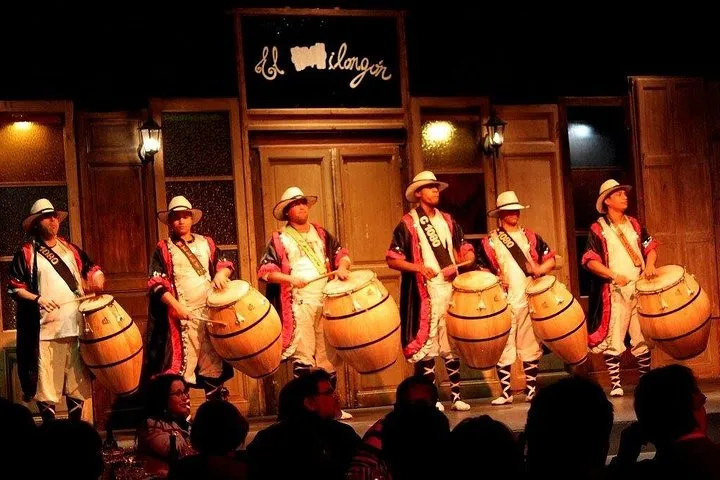 from $107
El Milongon Dinner & Show: Candombe, Tango and Folklore
An evening dinner show combining candombe, tango and folklore with a three-course meal and optional hotel transfers.
Check Availability from $65
"Discovering Montevideo" shared tour for cruise passengers in a small group
A small-group port pickup tour for cruise passengers covering 12 city sights, with a 22nd-floor viewpoint and free time at Mercado Agrícola.
Check Availability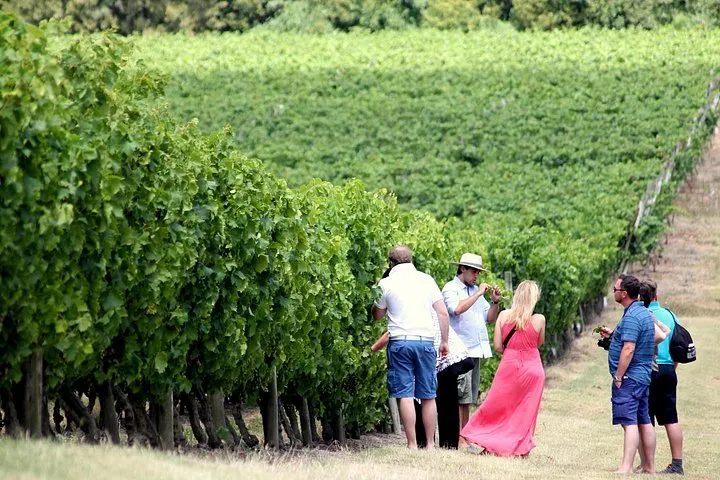 from $115
Pizzorno Winery Lunch and Tasting
A short half-day winery lunch trip with 4-wine tasting, priced per person and capped at 14 travelers.
Check AvailabilityPrices, ratings and details are the platform's own. Dollar figures are the listed prices. The platform bills in your account's currency.
Keep Planning Your Meals
Montevideo Restaurants
Sit-down picks from traditional bars to the newer dining rooms across the city's food neighbourhoods.
Uruguay Mate
How the gourd, the bombilla and the sharing round actually work before someone hands you a mate.
Mercado del Puerto
The 1868 iron grill hall where most visitors eat their first Uruguayan asado.
Uruguay Wine
Tannat country explained, with the city-area wineries you can reach without a car.
Uruguayan Food Questions
What is Uruguay's famous food?
The chivito, the beef sandwich with cheese, ham, egg and bacon in a bun, is the famous one and the city tourism site calls it the country's favourite fast food. The asado grill runs alongside it, and the numbers back the reputation: Uruguayans ate 101.5 kg of meat per person in 2025, of which 50.2 kg was beef. See our guide to things to do in Montevideo to plan eating around the sights.
What is Uruguay's national dish?
The chivito. It was reportedly created in 1946 at El Mejillón Bar in Punta del Este, when the owner, Antonio Carbonaro, served beef fillet to a customer from northern Argentina who had asked for chivito, kid goat. The improvisation became the national dish, served al pan (in a bun), al plato (on a plate with fries) or canadiense (with pancetta). The chivito section has the full story.
What do Uruguayans eat for breakfast?
Pastry and coffee or mate, not a cooked plate. Medialunas, the local croissants in butter and lard versions, are the most popular, with bizcochos, pastries of Germanic origin sold by weight, and tortas fritas, fried sugared dough rounds with a hole in the middle. Bakeries sell all three in the morning. See Montevideo restaurants for the café side of breakfast.
What is not a traditional food in Uruguay?
Spicy food, for one thing. The standard sauces are chimichurri and salsa criolla, built from herbs, garlic, tomato, onion and paprika, none of them hot, and the classic salad is plain tomato, lettuce and onion. Also, despite the name, there is no goat in a chivito, and Uruguayan empanadas are baked rather than fried. Curry-style heat and fiery salsas belong to other cuisines, so order with confidence here.
What is a chivito?
A chivito is a sandwich of sliced beefsteak with mozzarella, ham, tomato, mustard, mayonnaise, olives, commonly bacon and a fried or hard-boiled egg, in a bun, with French fries alongside. The name means kid goat, a joke from its origin story. The platter version is chivito al plato and the pancetta version is chivito canadiense.
What is the most popular dessert in Uruguay?
Anything built on dulce de leche, which the city tourism site names as the population's favourite for sweets. That covers ice cream, panqueques de dulce de leche (crêpes), alfajores, cakes and the local dessert chajá. A box of alfajores from any bakery or kiosk is the easiest way to try it, and it doubles as the souvenir to take home.
Is Uruguayan food spicy?
No, not by default. The three main sauces are chimichurri, salsa criolla and mojo, made from parsley, garlic, oregano, paprika, tomato, onion, oil and vinegar, all aromatic rather than hot. The one spicy item is picantina, a sauce like hot mustard or mayonnaise that street dispensers add to panchos and choripanes on request. Ask for it or not, and eat everything else without fear.
Uruguayan Food on Film
Three films that show the chivito, the grill and a day of eating in Montevideo before you order.
Uruguay's Greatest Sandwich Ever!
Anthony Bourdain on the chivito, the national dish this page opens with.
Video: Travel ChannelWE COOK URUGUAYAN BBQ - the best Uruguayan asado | Montevideo
A home asado in Montevideo, from lighting the wood to the first cuts.
Video: Chasing a Plate - Thomas & SheenaTop 8 MUST EAT Foods in Montevideo, Uruguay
A run through the dishes in the table above, eaten around the city.
Video: Mike Chen Clips & BEST EatsVideos load from YouTube only when you press play.
Prices, hours and terms are set by the venue or operator and confirmed at checkout.
We may earn a commission if you book through one of our links, at no extra cost to you. Full affiliate disclosure